
The best AI tools for boutique hotel startups in 2026 turn a small, design-led property into a business that can compete with far larger hotels without losing the personal touch that makes guests choose it in the first place. A boutique hotel is not a scaled-down chain hotel, and it is not a bed and breakfast with a few extra rooms. It is usually a property of ten to fifty rooms, each one shaped by a clear design idea, where the lobby, the breakfast table, the scent in the hallway and the welcome from the person at the desk are all part of the product. Guests book a boutique hotel because they want character, local flavour and service that remembers them, not because it has the most rooms or the lowest price in the area.
That character is also what makes a boutique hotel hard to run. The owner is often the designer, the marketer, the revenue manager and the front desk at the same time, at least in the first year. Rates need to move with local events and seasons, rooms sell through several booking sites at once, guests message at midnight about early check-in or a dietary request, and every review carries more weight than it would for a large hotel, because a boutique property lives or dies on its reputation. A single missed message or a double booking can undo weeks of careful work, and a generic tool built for a hundred-room hotel will not understand a property where every room is different and every guest expects to be known by name.
The right AI tools respect that shape. They take the repetitive work off a small team, keep pricing, bookings and guest messages in step, and leave the human moments, the thoughtful welcome, the local recommendation, the remembered anniversary, to people. This guide compares the strongest options for 2026 across the jobs that matter most to a new boutique hotel: property management, direct bookings and channel management, dynamic pricing, guest messaging and concierge service, reputation and reviews, upselling and local partnerships. Every tool is judged on simple setup, honest pricing for a property with a few dozen rooms, features built for design-led small hotels rather than large chains or whole-home rentals, and software that grows from a first season to a full calendar without forcing a painful switch. The goal is not to buy the most software. It is to build a lean stack that earns its keep from the first month.
Key takeaways
- Start with one boutique property management system, one channel manager or direct booking tool, and one guest messaging tool. Those three carry most of the revenue for a new boutique hotel.
- Choose tools built for small, design-led hotels with individually styled rooms, because software built for chains or holiday homes will fight your inventory every day.
- Let AI draft prices, guest replies, upsell offers and review responses, while people approve anything sensitive, from refunds to complaint replies.
- Measure success in occupancy, direct bookings, average daily rate, response time, upsell revenue and review scores, not in how many features a tool lists.
- Keep the stack small at first, with four or five tools that share data cleanly, and add more only when a clear gap appears in bookings, pricing, messaging or reputation.
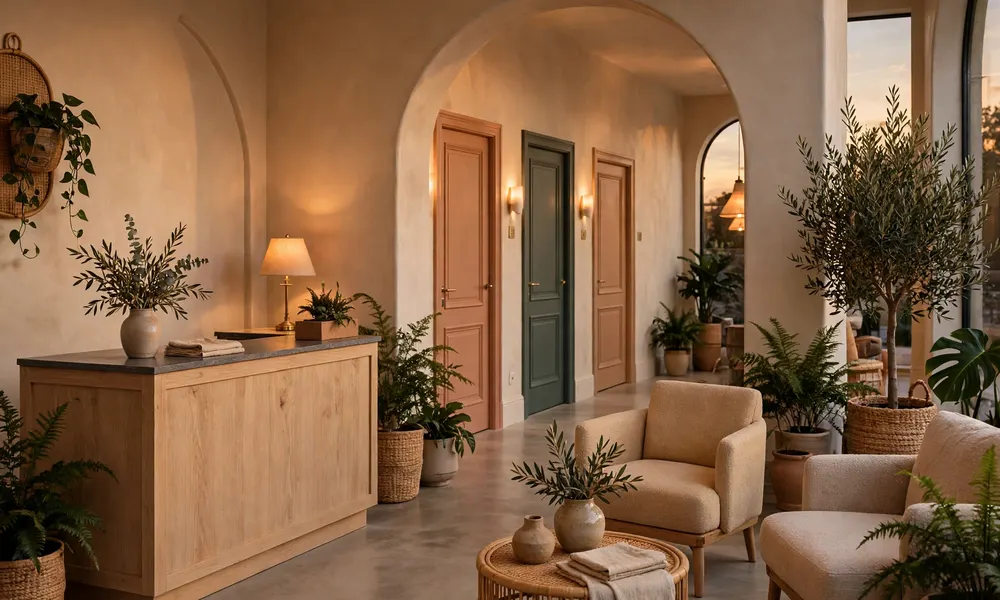
How the Best AI Tools for Boutique Hotel Startups Compare
Before the detailed reviews, here is the short version. Property management systems suit boutique hotels that need individually styled rooms, housekeeping and front desk work in one place. Channel and direct booking tools suit hotels that sell rooms through several booking sites and their own website at the same time and cannot afford a double booking. Pricing tools suit hotels with strong weekend demand, quiet midweek nights and local events that change demand overnight. Guest messaging tools suit hotels whose guests ask the same questions at all hours and expect an answer in minutes, in their own language. Reputation and upselling tools suit hotels that live on reviews and on selling the extras, from a room upgrade to a local wine tasting, that make a stay memorable. Most startups end up with one property system, one channel connection and one messaging tool, and that trio covers almost everything a young boutique hotel needs.
| Tool | Best for | Standout AI feature | Starting price |
|---|---|---|---|
| Cloudbeds | All-in-one boutique property management | AI rate suggestions and booking insights | From around $100 per month |
| Mews | Modern guest journey and front desk | Smart automation and guest profiles | Custom pricing |
| Little Hotelier | Small boutique hotels starting out | Simple booking engine and channel sync | From around $109 per month |
| SiteMinder | Channel management and direct bookings | Demand insights and direct booking tools | From around $85 per month |
| Duetto | Dynamic pricing and revenue | AI demand forecasts and rate recommendations | Custom pricing |
| HiJiffy | AI guest messaging and concierge | AI replies in the hotel voice and smart upsells | Custom pricing |
| Asksuite | AI booking assistant on the website | Conversational booking and quote generation | Custom pricing |
| TrustYou | Reputation and guest feedback | AI review summaries and reply drafts | Custom pricing |
| Oaky | Upselling and personalised offers | AI upsell offers matched to each guest | Commission based |
What Makes an AI Tool Right for a Boutique Hotel Startup
A boutique hotel sits between two worlds, and that is the first thing to understand before buying software. It is larger and more commercial than a bed and breakfast, with a bar, a breakfast room and often a small events space to fill, yet it is far smaller and more personal than a chain hotel. A tool that assumes a front desk team, a revenue department and a hundred identical rooms will fight the business every day. The best tools for a new boutique hotel respect the small scale and the wide scope at the same time. They manage individually styled rooms, themed suites and different room types from one calendar, and they let one person change a rate, confirm a booking and answer a guest message from a phone in the lobby.
Simple setup matters more here than in almost any other hospitality business. A startup boutique hotel cannot spend three weeks configuring software while guests are already arriving and the breakfast room is already serving. The strongest tools connect to the main booking channels in an afternoon, import existing reservations without a spreadsheet battle, and let the owner change a room description or a local recommendation without calling support. If a tool needs a training course before the first booking, it is the wrong tool for a boutique hotel. Design also matters in a way it does not for a motel or a holiday home. Guests choose a boutique hotel for its look and feel, so the booking engine, the guest messages and the upsell offers should carry that same voice and style, not a generic template that could belong to any property.
The contrast with other small lodging businesses is worth keeping in mind. A boutique hotel is not an inn with a large restaurant and wedding business, and it is not a motel selling drive-up rooms to passing drivers. Its work centres on design, curated guest experience, direct bookings and local partnerships, from the gallery around the corner to the restaurant that supplies breakfast. That is why the tools below were chosen for boutique hotels specifically, rather than borrowed from a generic hotel list. Readers who want the wider hospitality picture can compare these choices with the broader best AI tools for hospitality startups, which covers the full range of lodging and travel businesses, while the sections below stay focused on the small, design-led property.
1. Cloudbeds
Cloudbeds is the all-in-one starting point for many boutique hotel startups, because it brings the property management system, the booking engine and the channel manager into one place. That matters for a small property, where the owner does not have time to keep three separate systems in step. Rooms, rates, availability and guest details live in one calendar, so a booking on one site blocks the dates everywhere else, and a change to a themed suite rate updates across every channel at the same time. For a boutique hotel with individually styled rooms, that single source of truth prevents the double bookings and rate mistakes that damage a young reputation.
The AI side of Cloudbeds shows up in rate suggestions, booking insights and reporting that helps a small team spot patterns without hiring a revenue manager. It can highlight which room types sell first, which channels bring the most profitable guests and which dates need a price change before a local event. The interface is built for small teams, with a front desk view that works on a tablet in the lobby and a housekeeping view that shows which rooms are ready, which need cleaning and which have a special request attached. That is the daily reality of a boutique hotel, where the same person may check a guest in, answer a message and inspect a room in the same hour.
2. Mews
Mews is built for the modern boutique hotel that wants the guest journey to feel effortless, from the first website visit to the moment the guest leaves a review. It is a cloud property management system with a strong focus on automation, guest profiles and payments, and it suits design-led hotels that treat technology as part of the experience rather than a back-office chore. Check-in can be handled online before arrival, payments can be taken securely, and guest preferences, from pillow type to a quiet room on a high floor, can be stored and used on the next stay without anyone searching through notes.
The automation in Mews is where a small team saves the most time. Routine tasks such as sending a pre-arrival message, confirming a booking, requesting payment or asking for a review can be set up once and run on their own, with the hotel team stepping in only when a guest replies with something unusual. That frees the front desk to do the work that guests actually remember, such as recommending a local restaurant, arranging a late check-out or upgrading a guest for an anniversary. Mews also connects to a wide range of other hotel tools, so a boutique hotel can add a channel manager, a messaging tool or an upselling tool without rebuilding its core system.
3. Little Hotelier
Little Hotelier is made for the smallest boutique hotels, and that focus is its greatest strength. It is a simple, all-in-one system for properties with a handful of rooms, combining a property management system, a booking engine and a channel manager in a package that a new owner can learn in a day. For a boutique hotel opening with ten or twenty rooms, that simplicity is worth more than a long feature list. The owner can set up room types, rates and availability, connect to the main booking sites, and start taking direct bookings from the hotel website without hiring a consultant or spending weeks on configuration.
The tool handles the daily jobs that take up most of a small hotel team’s time. It keeps the calendar in step across channels, so a booking on one site blocks the room everywhere else. It manages front desk tasks, guest details and payments in one place, and it gives the owner a clear view of occupancy, revenue and upcoming arrivals. The booking engine is clean and easy for guests to use, which matters for a boutique hotel that wants direct bookings to grow. A guest who has just admired the themed rooms and the lobby design should be able to book in a few taps, without a confusing form or a page that looks nothing like the hotel.
4. SiteMinder
SiteMinder is the channel management and direct booking specialist that many boutique hotels rely on to sell rooms in many places at once without double booking. A boutique hotel cannot afford to list on only one site, because guests discover small hotels through several channels, yet managing each channel by hand is slow and risky. SiteMinder connects the property to the main booking sites, keeps rates and availability in step in real time, and gives the hotel a direct booking engine for its own website. That combination protects both occupancy and profit, because direct bookings avoid the commission charged by booking sites.
The strength of SiteMinder for a boutique hotel is its reliability and its reach. It connects to hundreds of channels, so a hotel that wants to appear on a niche design or travel site as well as the large booking platforms can do so from one place. Its insights show which channels bring the most bookings, which bring the most profitable guests and which dates need attention, so the owner can decide where to spend marketing effort rather than guessing. The direct booking tools let the hotel offer packages, promo codes and special rates for themed weekends, local events or returning guests, all styled to match the property.
5. Duetto
Duetto is the revenue and pricing specialist in this guide, and it suits boutique hotels that want to price each room type with the same care they put into designing it. A boutique hotel rarely has identical rooms, so a single nightly rate for the whole property leaves money on the table. A themed suite with a balcony, a quiet garden room and a compact city room should not all move at the same price, and their prices should change with local demand, events, seasons and booking pace. Duetto uses AI demand forecasts to recommend rates for each room type, taking into account how far ahead guests are booking, what competitors are charging and what is happening in the local area.
The value for a small team is that Duetto turns pricing from a daily guess into a clear, explainable recommendation. The owner can see why a rate is suggested, what would happen if it were higher or lower, and how the forecast changes when a local festival or conference is announced. That confidence matters, because a boutique hotel that prices too low fills rooms but earns too little, while a hotel that prices too high leaves its most beautiful rooms empty on nights when a small discount would have filled them. Duetto also helps the hotel plan packages and length-of-stay rules, such as a minimum stay over a busy weekend or a discount for a midweek break.
6. HiJiffy
HiJiffy is the AI guest messaging and concierge tool that helps a boutique hotel answer guests quickly without hiring a large front desk team. Guests message at all hours about check-in times, parking, breakfast, local recommendations and special requests, and a slow reply can lose a booking to the next hotel on the list. HiJiffy uses AI to answer routine questions instantly, in the hotel’s own voice, across the website, messaging apps and booking channels. It can share check-in instructions, recommend a local restaurant, explain how to reach the hotel from the station, and collect the details the team needs before arrival.
What makes HiJiffy a good fit for a boutique hotel is that it is built for hospitality, not for generic customer service. It understands hotel questions, room types and guest journeys, and it can hand over to a human the moment a guest asks something sensitive or unusual, such as a complaint, a refund or a complex request. That handover matters, because a boutique hotel’s reputation depends on human care in the moments that matter, while AI handles the repetitive questions that would otherwise keep the small team tied to a screen. HiJiffy can also suggest upsells at the right moment, such as a room upgrade, a late check-out or a local experience, in a way that feels like a helpful suggestion rather than a sales pitch.
7. Asksuite
Asksuite is the AI booking assistant that lives on the boutique hotel website and turns visitors into direct bookings. Many guests find a boutique hotel through its design, its photos and its story, then hesitate at the booking stage because they have a question. They want to know whether a themed room is available on a certain date, whether the hotel can arrange a cot, whether breakfast is included, or whether a late check-out is possible. If no one answers quickly, they leave and book a larger hotel that answers instantly. Asksuite answers those questions in a conversation, quotes a price, and guides the guest toward a direct booking without a phone call or an email wait.
The conversational approach suits a boutique hotel, because it feels personal rather than transactional. The assistant can be trained on the hotel’s rooms, rates, policies and local partnerships, so its answers sound like the hotel rather than a generic chatbot. It can handle questions in several languages, which helps a boutique hotel that welcomes international guests, and it can collect contact details for guests who are not ready to book yet, so the hotel can follow up with a thoughtful message. That follow-up is where many direct bookings are won, because a guest who asked about a honeymoon suite or a birthday stay is far more likely to book after a personal reply than after a silent website visit.
8. TrustYou
TrustYou is the reputation and guest feedback tool that helps a boutique hotel understand what guests really think, and respond in a way that protects its name. For a small, design-led property, reviews are not a side issue. They are the main way new guests decide whether to book, because a boutique hotel has no large brand to reassure them. A single thoughtful review about a beautiful room and a warm welcome can bring a stream of bookings, while a slow or careless reply to a complaint can put future guests off. TrustYou gathers reviews and survey feedback from many sources into one place, summarises what guests are praising and what they are raising as a problem, and drafts replies in the hotel’s voice.
The AI summaries are the part a small team will use most. Instead of reading dozens of reviews one by one, the owner can see at a glance that guests love the breakfast and the themed rooms, but find the check-in instructions unclear or the wifi slow in one corner of the building. That clarity turns feedback into action, such as rewriting the arrival message, fixing a small maintenance issue or training the team on a repeated question. TrustYou also helps the hotel ask for reviews at the right moment, after a happy stay, and respond quickly to new reviews, which search engines and booking sites reward with better visibility.
9. Oaky
Oaky is the upselling tool that helps a boutique hotel earn more from each stay by offering the right extra to the right guest at the right time. A boutique hotel has more to sell than a room. It can offer a themed suite upgrade, a late check-out, a bottle of local wine on arrival, a breakfast upgrade, a spa treatment, a guided walk or a dinner booking with a partner restaurant. The challenge is offering those extras without making guests feel sold to, and without the small team having to remember every option for every guest. Oaky uses AI to match upsell offers to each guest, based on their room type, length of stay, occasion and past behaviour, and presents them in a clean, personalised way before arrival and during the stay.
The personal touch is what makes Oaky fit a boutique hotel. An upgrade offer for a honeymoon couple should look and sound different from an offer for a business traveller staying one night, and a local experience should be suggested because it suits that guest, not because it is on a generic list. Oaky lets the hotel design those offers in its own voice, with its own photos and its own local partnerships, so the upsell feels like part of the stay rather than an add-on. The hotel can also test which offers work, which prices guests accept and which extras lead to better reviews, and adjust the offers over time.
How to Build Your Boutique Hotel AI Stack
Start with the core three, then add the rest in order of need. First, choose a property management system that fits the size of the property, such as Little Hotelier for a very small hotel, Cloudbeds for a hotel that wants one system for everything, or Mews for a hotel that wants a modern guest journey. Second, add a channel manager and direct booking tool, such as SiteMinder, so rooms sell in many places without double booking and direct bookings can grow. Third, add a guest messaging tool, such as HiJiffy, so guests get fast, personal answers at any hour. Those three tools cover bookings, pricing, messaging and daily operations, and they are enough to open well.
Keep the stack small and connected. Four or five tools that share guest data cleanly will serve a boutique hotel better than ten tools that do not talk to each other. Check integrations before buying, test each tool with real bookings and real guest messages, and give the team time to learn one tool before adding the next. A boutique hotel that builds its stack in this order will have a system that supports its design and its service, rather than a collection of software that fights them. The comparison with other small lodging businesses is useful here too: a boutique hotel needs design, direct bookings and local partnerships at its centre, while an inn startup needs rooms, dining and events together, and a bed and breakfast needs a simpler, hosted-stay system, as shown in the best AI tools for bed and breakfast startups.
Pre-Opening Checklist for a Boutique Hotel Startup
- Choose one property management system, connect it to the main booking channels, and test a full booking, check-in and check-out before the first guest arrives.
- Set room types and rates for every themed room and suite, with photos and descriptions that match the design guests will actually find.
- Build a direct booking page that carries the hotel design and voice, with clear rates, policies and local experience packages.
- Train the guest messaging and booking assistant tools on the hotel voice, house rules, local partnerships and the answers to the ten most common guest questions.
- Plan the review and feedback routine, including when to ask for a review, who replies, and how quickly every review gets a personal response.
- Choose three or four upsell offers that genuinely improve the stay, such as a suite upgrade, a local experience or a late check-out, and test them with real guests before adding more.
Frequently Asked Questions
What is the best AI tool for a boutique hotel startup?
There is no single best tool, because the right choice depends on the size of the property and what it needs first. Most boutique hotel startups should start with a property management system such as Cloudbeds, Mews or Little Hotelier, then add a channel manager such as SiteMinder and a guest messaging tool such as HiJiffy. That trio covers bookings, rates and guest messages, which are the three jobs that matter most in the first year.
How much do AI tools for boutique hotels cost?
Costs vary widely, from around $85 to $109 per month for a simple property or channel system, to custom quoted pricing for premium tools such as Mews, Duetto, HiJiffy and TrustYou. A small boutique hotel should budget for a core stack of three or four tools, check what is included in each price, and avoid long contracts until it knows which tools it actually uses every day.
Can AI tools replace the front desk in a boutique hotel?
No, and they should not try to. AI is best at answering routine questions, drafting prices and replies, and handling repetitive bookings and admin work. The human team should handle welcomes, complaints, special occasions and local recommendations, because those moments are why guests choose a boutique hotel over a larger, more anonymous property.
How do boutique hotels get more direct bookings?
Direct bookings grow when the hotel website is easy to book, carries the same design and voice as the property, and answers guest questions quickly. A direct booking engine, a conversational booking assistant such as Asksuite, and packages for themed weekends or local experiences all help, as does asking happy guests to book direct next time and rewarding returning guests with a small benefit.
Which AI tool helps most with guest reviews?
A reputation tool such as TrustYou helps most, because it gathers reviews from many sources, summarises what guests praise and what they raise as a problem, and drafts replies in the hotel voice. The hotel should still read every review and approve every reply, because a personal response to a genuine comment will always feel better than a generic one.
Should a boutique hotel use AI for pricing?
Yes, once it has some booking history to learn from. A pricing tool such as Duetto can recommend different rates for each room type, taking into account local demand, events and booking pace. In the earliest weeks, simple seasonal rates are enough, but as demand grows, AI pricing helps the hotel earn more from its best rooms without leaving them empty on quiet nights.
The Bottom Line
The best AI tools for boutique hotel startups in 2026 do not make a small hotel feel like a large one. They do the opposite: they take the repetitive work off a tiny team so the hotel can stay small, personal and design-led, while still filling rooms, answering guests quickly and earning a fair price for every stay. Start with one property system, one channel and direct booking tool, and one guest messaging tool. Add pricing, a booking assistant, reputation help and upselling only when a clear gap appears. Keep the stack small, keep the guest data connected, and keep people in charge of the moments that matter. A boutique hotel that builds its software that way will have technology that supports its character, rather than technology that hides it, and guests will feel the difference from the first message to the final review.

Keep what speaks to you.
Leave room for your own perspective.


