A bedroom installation startup fits out the room its owner sleeps in every night. That sounds obvious until you stand in the room with a tape measure and realise how personal the job is. The bed has to suit one body, not most bodies. The wardrobe has to hold one household’s clothes, folded and hung the way they actually live. The reading light has to fall on one side of the bed without waking the person on the other side. The blackout has to work at six in the morning in June. Nothing in the room is generic, and nothing in it gets a second chance once the owner has slept in it for a week.
That is what makes the trade different from every other room fit-out on this site. A dining room is fitted for meals and hosting. A study room is fitted for reading and books. A sitting room is fitted for evenings with other people. A bedroom is fitted for one household’s nights, repeated hundreds of times a year, and the test of the work is not how it photographs on handover day but how it feels on the fortieth night. The tools below are the ones that help a small startup get that test right: measuring the room honestly, planning the bed and the wardrobe together instead of separately, controlling light and darkness, and quoting the whole job so the margin survives contact with the real room.
AI earns its place in this trade in a specific way. It does not design the bedroom on its own. It takes the phone scan, the sleep habits, the wardrobe inventory and the light readings a founder collects on the first visit, and turns them into a layout, a cutting list and a quote before the second visit. The nine tools in this guide do that job across the whole fit-out: layout, mattress, bed, wardrobe, furniture, bedding, blackout and lighting, quoting and job costing. Used together, they let a two-person startup fit out an owner’s bedroom with the confidence of a much bigger firm.
Key takeaways
- A bedroom installation startup fits out the owner’s nightly sleeping room whole — bed, personal wardrobe and dressing, reading lights, blackout and storage — and is judged on the fortieth night, not on handover day.
- Plan the bed and the wardrobe as one layout, not two separate orders, because the bed position decides the wardrobe depth, the door swing and the reading light position.
- Blackout and reading light are the two details owners complain about most, so measure light at the pillow and test the blackout before the bedding goes on.
- Quote the whole room as one fixed price with the mattress, wardrobe, lighting and storage itemised inside it, so a change in one line does not quietly eat the margin.
- Start with one layout tool, one quoting tool and one job-costing tool, then add the mattress, bed and wardrobe suppliers once the first three jobs are booked.
What a bedroom installation startup actually builds
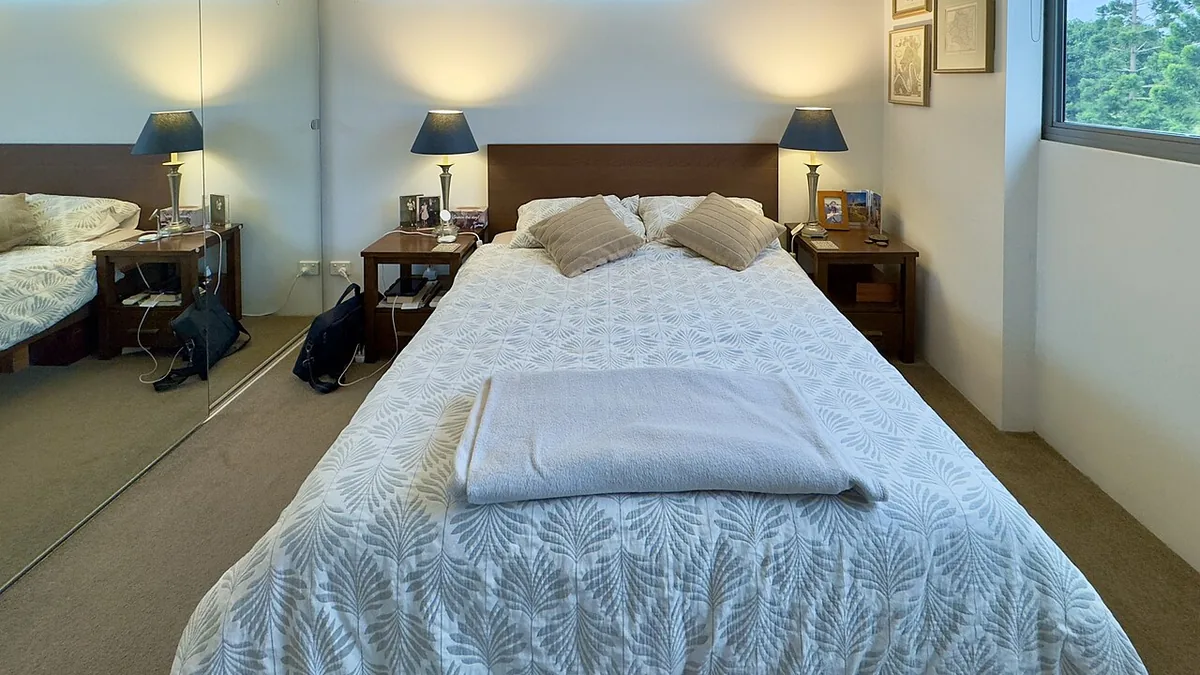
The room is the owner’s nightly sleeping room, fitted out whole. That whole-room scope is the trade. The bed is the centre of it: frame, headboard, mattress and bedding chosen for the people who sleep there, not for a showroom. The wardrobe is personal storage, planned around the owner’s clothes — hanging space for the length they actually own, drawers for what they fold, and a dressing zone with a mirror and a light that works at seven in the morning. The lighting is layered: a soft ceiling light for the room, a reading light for each side of the bed, and a low light for the walk to the door at night. The blackout is fitted to the window, not guessed at. And the storage covers the things a bedroom accumulates — spare bedding, out-of-season clothes, books, chargers — without turning the room into a cupboard with a bed in it.
The order of the work matters more than any single product in it. Measure first, and measure the room as it is, with its sloping ceiling, its radiator under the window and its door that swings the wrong way. Then set the bed position, because everything else hangs off it: the wardrobe depth, the bedside tables, the reading lights and the walkway to the door. Then plan the wardrobe against the remaining wall, with the hanging lengths and drawer stacks counted from the owner’s actual clothes. Then the lighting and the blackout, tested at the pillow rather than assumed from a catalogue. Then the storage that fills the gaps the bed and wardrobe leave. A startup that orders the wardrobe before it has fixed the bed position will spend the second week of the job cutting things down on site, and that is where the margin goes.
The room also has one neighbour that shapes the plan without being part of the build: the bathroom next door. Where the bedroom sits beside its own bathroom, the door swing, the wet wall and the night-time walk matter to the layout, and our guide to ensuite installation startups explains how that bathroom is planned. The bedroom startup does not fit the bathroom. It fits the bedroom so the two rooms work together at two in the morning, when the owner crosses from one to the other in the dark.
What the trade is not matters just as much. It is not a guest room. A guest room is fitted for strangers and changeover days, as our guide to guest room installation startups explains, with a mattress that suits most sleepers and a changeover routine between stays. The owner’s bedroom is fitted for one household, night after night, and the mattress, the wardrobe and the reading light are chosen for named people, not for whoever books next. It is not a reading room either: the books and the chair are welcome, but they serve the sleeper, not the other way round. And it is not a collection of components. A wardrobe on its own is a closet job, and our guide to closet installation startups covers the measuring and manufacturing side of storage in depth. The bedroom startup takes the whole room — bed, wardrobe, light, blackout and storage — and makes them agree with each other.
| Zone | What the startup plans | What goes wrong if it is skipped |
|---|---|---|
| Bed zone | Frame, headboard, mattress and bedding for the owners | A bed that looks right and sleeps badly for years |
| Wardrobe and dressing | Hanging lengths, drawers and a lit dressing zone | Clothes that never fit the storage that was built for them |
| Reading light | One controllable light per side of the bed | One partner reading in the dark, the other kept awake |
| Blackout | Fitted blackout measured at the window | Summer mornings that start an hour too early |
| Storage | Spare bedding, seasonal clothes and daily clutter | A tidy room that slowly fills with boxes and piles |
| Ensuite adjacency | Door swing, wet wall and the night-time walk | A bedroom that fights its own bathroom every night |
The 9 best AI tools for a bedroom installation startup
1. SleepSpace AI: The Best Tool for Whole-Bedroom Layout and Sleep Zoning
SleepSpace AI is the layout tool the rest of the job hangs off. The founder scans the room on a phone, marks the window, the radiator, the door swing and the socket positions, and the tool builds a measured plan with the bed zone, the wardrobe wall and the walkways drawn to scale. It then tests the layout against sleep: which side of the bed gets the morning sun, where the reading light falls, how far the wardrobe doors open into the walkway, and whether the route to the door is clear in the dark. That sleep test is what separates it from a generic room planner. A generic planner will happily put a wardrobe where it blocks the blackout curtain and a bedside table where no socket exists. SleepSpace AI flags both before anything is ordered.
The tool earns its fee on the second visit. The founder shows the owners the plan on a tablet, moves the bed six inches, and the wardrobe depth, the lighting positions and the quote update together. Owners who can see their own room with their own bed in it say yes faster, and they change their minds less often once the work starts. The plan also becomes the cutting list: wardrobe panels, blackout widths, bedside table sizes and cable runs all come out of the same drawing, so the supplier orders match the room instead of matching a guess. For a startup, that single source of truth is the difference between a job that finishes on the quoted day and a job that drags into a second week of site adjustments.
2. Simba Sleep: The Best Tool for the Owner’s Mattress
The mattress is the one purchase in the bedroom that cannot be fixed after handover with a different cushion or a new lamp. Simba Sleep suits this trade because its range is built around the sleeper rather than the showroom: hybrid mattresses with zoned support, a sleep trial long enough for the owners to judge the mattress over real nights, and a sizing system that matches the bed frame the startup is installing. The founder’s job is to translate what the owners say about their sleep — a bad back, a partner who moves at night, a preference for firm or soft — into the right model and the right firmness, and Simba’s trial and exchange terms make that translation low-risk for everyone.
Use the mattress as the anchor of the bed zone. Fix the mattress size and firmness before ordering the frame and headboard, because the frame is built around the mattress, not the other way round. Measure the route the mattress takes into the room as well — up the stairs, round the landing, through the door — since a king-size mattress that cannot reach the bedroom is a familiar and expensive mistake. Simba’s rolled delivery helps here, but the founder should still walk the route with a tape measure on the first visit and note it on the plan.
3. Hypnos: The Best Tool for Beds and Headboards
Hypnos builds beds and headboards for people who sleep in them every night, and that is exactly the brief a bedroom startup works to. The range covers divan bases with storage drawers, upholstered headboards in heights that suit reading in bed, and frames made to standard mattress sizes so the mattress the startup has already chosen fits without gaps or overhangs. The headboard height matters more than most founders expect: too low and there is nothing to lean on while reading; too high and it crowds a low ceiling or blocks a picture rail. Hypnos publishes the dimensions plainly, which lets the founder check them against the plan instead of discovering the problem on delivery day.
The divan storage option deserves a serious look on every job. A bedroom’s storage problem is rarely the wardrobe alone; it is the spare bedding, the out-of-season clothes and the things that have nowhere else to go. Drawers in the divan base take that load without adding a single piece of furniture to the room, and they keep the floor clear for the walkway to the door. Pair the base with a headboard that has a firm, upright panel for reading, and the bed zone does three jobs — sleeping, reading and storing — from one footprint.
4. Sharps Bedrooms: The Best Tool for Fitted Wardrobes and Dressing Storage
The wardrobe is where a bedroom fit-out succeeds or fails in the owners’ eyes, because they open it every morning. Sharps Bedrooms fits this trade because the whole system is made to measure: wardrobes built to the wall, the ceiling and the slope, with hanging space, drawers and shelves arranged around the clothes the owners actually own. The founder’s first job is an inventory, not a catalogue choice. Count the long hanging, the short hanging, the folded stacks and the shoe pairs, and the wardrobe gets planned around those numbers. A wardrobe planned from a count fits. A wardrobe planned from a picture does not.
The dressing zone is part of the same order. A mirror with a light that shows the owner’s face properly at seven in the morning, a drawer for the things used every day, and a surface for the watch, the glasses and the phone. Sharps builds the dressing area into the run of wardrobes rather than bolting it on afterwards, which keeps the sightlines clean and the lighting in the right place. Ask the owners where they dress and where they stand to check themselves, and put the mirror and the light there, not where the catalogue puts them.
5. Heal’s: The Best Tool for Bedside Tables and Bedroom Furniture
Once the bed and the wardrobe are fixed, the furniture fills the gaps: bedside tables, a chest of drawers, and the chair or bench the room needs. Heal’s suits this trade because its bedroom furniture is sized for real rooms rather than showrooms, with bedside tables in heights that match the mattress top and chests that fit the wall the wardrobe leaves free. The bedside table height is a detail worth measuring on every job. A table that sits far below the mattress top means the owner reaches down for a glass of water and a book in the dark; a table that sits far above it crowds the reading light. Heal’s publishes the heights, so the founder can check them against the bed before ordering.
Keep the furniture count low. A bedroom needs a bedside table each side, storage for what the wardrobe does not hold, and one place to sit while dressing. Everything beyond that is clutter that the owners will have to live around. Choose pieces with drawers rather than open shelves for the bedside, because the things that live beside a bed — chargers, medicines, books, glasses — look untidy on an open shelf and are easier to keep dust-free behind a drawer front. Match the finish to the wardrobe rather than to the bed, so the room reads as one fitted space instead of a collection of separate purchases.
6. The White Company: The Best Tool for Bedding, Blackout Curtains and Dressing
Bedding is the layer the owners touch every night, and The White Company is the supplier founders reach for when the room needs to feel finished rather than merely fitted. The bedding range covers the weights and weaves that suit different sleepers — lighter cotton for warm sleepers, heavier weaves for cold rooms — and the blackout curtains are made to the window measurements the founder takes, with linings that actually block the morning light instead of dimming it slightly. The dressing layer matters too: throws and cushions that make the bed look made in the morning without adding a daily chore.
Fit the blackout as a measured job, not a curtain purchase. Measure the window reveal, the drop and the overlap, and check the curtain track against the wardrobe doors and the reading light positions on the plan. A blackout curtain that stops an inch short of the reveal leaks a blade of light straight onto the pillow at dawn, and no amount of good bedding fixes that. The White Company’s made-to-measure service handles the sizing, but the founder has to supply measurements taken at the window, not from the plan alone, because windows in older houses are rarely square.
7. BlackoutPlan AI: The Best Tool for Blackout, Reading Lights and Light Control
Light is the hardest thing in a bedroom to get right, because it has to do opposite jobs at different hours. BlackoutPlan AI takes the room’s light readings — the window direction, the street light outside, the morning sun angle — and plans the blackout and the lighting together: where the blackout must overlap, where the reading lights sit, how bright the ceiling light should be, and where the low night light goes for the walk to the door. The tool’s value is that it tests the plan at the pillow. It shows the founder what the sleeper sees at six in the morning and at eleven at night, and it flags the two classic failures: a reading light that spills across both sides of the bed, and a blackout gap that throws light onto one pillow.
Use the tool’s reading-light plan to fix one light per side of the bed, each controllable from that side, with a warm colour and a low glare. A single central light, however beautiful, cannot serve two readers with different habits, and a reading light that cannot be switched off without getting up will be left on or never used. The night light is a separate circuit, low and warm, on the route to the door — bright enough to walk by, dim enough not to wake the other sleeper. BlackoutPlan AI puts all three layers on one drawing, so the electrician gets a single plan instead of three conversations.
8. BedroomQuote AI: The Best Tool for Fixed-Price Quotes and Material Lists
A bedroom quote fails when it is a single number with no workings behind it. BedroomQuote AI builds the quote from the plan: the bed, the mattress, the wardrobe survey, the furniture, the bedding, the blackout, the lighting and the labour, each as its own line with its own supplier price behind it. The owners see one fixed price for the room, and the founder sees the margin on every line. When the owners ask to change the headboard or add a drawer stack to the wardrobe, the tool reprices the change on the spot, so the conversation stays honest and the margin stays visible.
The material list is the quieter half of the tool’s value. It turns the plan into an order list — wardrobe panels from the survey, blackout widths from the window measurements, cable and switch quantities from the lighting plan — and sends it to the suppliers in the order the job needs them. That stops the familiar failure where the wardrobe is ordered, the lighting is forgotten until the electrician asks for it, and the job waits a week for a part that costs less than the delay. Order in the sequence the tool gives, and the room arrives in the sequence it is built.
9. BedroomLedger AI: The Best Tool for Job Costing and Invoicing Small Fit-Outs
The last tool in the stack is the one that decides whether the startup is still trading in a year. BedroomLedger AI tracks each bedroom job from quote to final invoice: supplier costs against the quoted lines, labour days against the plan, and the small extras — an extra drawer, a moved socket, a second blackout fitting — that quietly eat a fixed-price job. The founder logs each cost as it lands, and the tool shows the live margin on the job, not the margin the quote promised three weeks ago. That live number is what stops a founder from saying yes to a free extra that costs the profit on the whole room.
Invoice in stages that match the work: a deposit on order, a payment when the wardrobe is manufactured and the bed is delivered, and the balance on handover after the blackout test and the final walk-through. BedroomLedger AI issues each invoice from the same job record as the quote, so the owners see one consistent set of numbers from the first visit to the last. That consistency matters more than speed. Owners who can follow the money through the job trust the founder, and owners who trust the founder recommend the founder.
What a first bedroom job looks like, step by step
The first visit is a conversation and a survey, not a sales pitch. Ask how the owners sleep: what time they go to bed, whether one of them reads, whether one of them wakes early, how warm or cold the room gets, and what they keep in the bedroom that has nowhere to live. Then measure the room with the phone scan, walk the mattress route from the front door to the bedroom, count the clothes for the wardrobe inventory, and take the light readings at the pillow and at the window. Leave with the plan started, not with a promise to think about it.
The second visit is the plan and the quote. Show the owners the room with the bed, the wardrobe and the lights in it, move things until they are happy, and then quote the fixed price from BedroomQuote AI with the mattress, the wardrobe, the lighting and the storage itemised inside it. Book the wardrobe survey and the bed order the same day the deposit lands, because the lead times on those two items set the handover date. Order the furniture and the bedding while the wardrobe is being made, and fix the lighting plan with the electrician before the wardrobe goes in, since the cables run behind it.
Your first bedroom job checklist
- Measure the room with a phone scan and walk the mattress route from the front door to the bedroom before quoting anything.
- Fix the bed position on the plan first, then plan the wardrobe, the lights and the storage around it.
- Count the owner’s clothes for the wardrobe inventory instead of guessing the hanging lengths from a catalogue picture.
- Test the blackout at the pillow and the reading light from each side of the bed before the bedding goes on.
- Quote one fixed price for the whole room with the mattress, wardrobe, lighting and storage itemised inside it.
- Close the job in the ledger with the true supplier costs and labour days before starting the next room.

Frequently asked questions
What is the best AI tool for a bedroom installation startup in 2026?
SleepSpace AI is the best first tool, because the whole job hangs off the layout. It turns a phone scan into a measured plan with the bed zone, the wardrobe wall and the walkways drawn to scale, and it tests the layout for sleep — morning sun, reading light spill and the night-time walk to the door. Add BedroomQuote AI for the fixed-price quote and BedroomLedger AI for job costing, then bring in the mattress, bed and wardrobe suppliers once the first three jobs are booked.
How much does a bedroom installation cost a homeowner?
A single bedroom fit-out usually lands between the price of a good bed with a mattress and the price of a fitted wardrobe run, with the lighting, blackout and storage inside the same fixed quote. The wardrobe survey and the mattress choice move the number most: a long fitted run with a dressing zone costs far more than a short run, and a premium mattress adds a visible line to the quote. A startup should always quote one fixed price for the whole room with each part itemised, so the owners can see where the money goes and the founder can see the margin.
How long does a bedroom installation take?
Most bedrooms take two to four weeks from deposit to handover, and the fitted wardrobe sets the pace. The survey, manufacture and install of a made-to-measure wardrobe is the longest lead time in the room, followed by the bed delivery. The work on site — lighting, blackout, furniture and making up the bed — usually takes three to five days once the wardrobe and the bed have arrived. A startup should never promise a handover date before the wardrobe survey and the bed order are confirmed in writing.
Is a bedroom installation startup the same as a guest room startup?
No. A guest room is fitted for strangers and changeover days, with a mattress that suits most sleepers, guest storage and a routine for turning the room between stays. A bedroom installation startup fits out the owner’s own room for nightly living: a mattress chosen for named people, a wardrobe planned around their clothes, reading lights for each side of the bed, and blackout that works at six in the morning. The two trades share a room shape and little else, and a founder should never sell one as the other.
Do I need planning permission to fit out a bedroom inside my house?
Almost never, for a straightforward fit-out inside an existing bedroom. Fitting a bed, a wardrobe, lighting and blackout is internal work that does not change the outside of the house or its use. Permission only becomes a question if the work changes the structure — knocking through a wall, adding a window, or turning the room into something the house was not built for — and in that case the founder should check with the local planning office before quoting, not after the work has started.
Should a bedroom installation startup sell the furniture or only install it?
Sell the room as one job, with the bed, the mattress, the wardrobe, the furniture and the bedding supplied inside the fixed quote. Owners want one founder to blame and one price to approve, and a startup that only installs leaves the owners to order the parts themselves — which means wrong sizes, late deliveries and a room that never quite agrees with itself. Supplying the parts also protects the margin, because the founder prices the whole room instead of charging day rate for someone else’s ordering mistakes.
The bottom line
A bedroom installation startup succeeds by fitting out the room its owner sleeps in every night, whole, and by being judged on the fortieth night rather than on handover day. The tools in this guide cover the job in order: SleepSpace AI for the layout, Simba Sleep and Hypnos for the mattress and the bed, Sharps Bedrooms for the fitted wardrobe, Heal’s for the furniture, The White Company for the bedding and the blackout, BlackoutPlan AI for the light, and BedroomQuote AI with BedroomLedger AI for the price and the books. Start with the layout, the quote and the ledger, book the wardrobe survey the day the deposit lands, and test the blackout at the pillow before the bedding goes on. Do that on the first three jobs, record the true costs, and the fourth bedroom will be easier, faster and more profitable than the first.

Keep what speaks to you.
Leave room for your own perspective.