An avocado farm installation startup does one job that no other planting trade does: it puts in a subtropical evergreen orchard whose fruit is picked hard and unripe, tested for dry matter, and ripened off the tree. The trees are grafted Hass, Fuerte, Reed or Maluma on chosen rootstocks, planted in rows on frost-free slopes with deep, free-draining soil, and they stay green all year. There is no bare winter branch to read, no blossom season that decides the whole year in a fortnight, and no fruit that tells you it is ready by changing colour on the branch. The crop is judged by what is inside the fruit, and the tools that launch the farm have to be built around that single fact.
That is what makes the avocado farm a trade of its own, and not a variation on the orchards and farms already live on this site. An apple orchard watches chill hours and thins blossom; a cherry orchard nets against birds and picks by colour; a coffee farm waits for cherries to redden, then pulps, ferments and dries them for a roaster. A tea farm plucks young leaf, withers it, rolls it and dries it. None of those builds fits an avocado grove, because none of them deals with a fruit that ripens after picking, an evergreen canopy that needs hedging rather than winter pruning, or a harvest decision made with a dry-matter test rather than the eye. The avocado startup needs siting tools that hunt frost pockets, variety tools that pair Hass with the right polliniser, grafting records that follow every tree back to its nursery lot, and a picking plan driven by oil content.
The nine tools in this guide cover that build from the first site walk to the first sale. They survey subtropical ground, match varieties and rootstocks, plan the evergreen canopy, time the pick by dry matter, run the ripening room, grade the fruit, and match the crop to oil pressers and fresh-fruit buyers. Each one is judged on the avocado job it does, not on generic farm software dressed up with a new name. If you are starting an avocado farm installation business in 2026, this is the kit that lets you plant with confidence, pick at the right moment, and sell every grade of fruit to the buyer who values it most.
Key takeaways
- Avocado is a subtropical evergreen tree crop: grafted Hass and companion varieties, planted on frost-free, free-draining ground, with fruit picked hard and ripened off the tree.
- The harvest decision is a dry-matter test, not a colour check — pick too early and the fruit never ripens properly; pick too late and the next flowering suffers.
- Oil buyers and fresh-fruit buyers want different grades, so grading by size, skin and oil content decides what the crop is worth.
- Frost is the biggest siting risk: one cold night in a frost pocket can strip a young grove, so the site survey matters more than any other single tool.
- Start with the siting, variety and dry-matter tools — they decide whether the grove survives and whether the fruit sells.
The nine tools at a glance
| Tool | Avocado job it does | Buy it first if |
|---|---|---|
| FrostPocket Survey AI | Maps frost pockets, cold-air drainage and slope aspect | Your site has any low ground or cold nights |
| HassMatch AI | Matches Hass, Fuerte, Reed and Maluma varieties with pollinisers | You are choosing what to plant |
| GraftLine AI | Tracks grafted trees, rootstocks and nursery lots | You order trees from more than one nursery |
| CanopyPrune Planner AI | Plans hedging and light into the evergreen canopy | Your trees are three years old or more |
| DryMatter Scout AI | Times the pick by dry-matter and oil content | You are within a year of first harvest |
| RipenRoom AI | Runs off-tree ripening rooms and ripeness staging | You sell ripened fruit direct |
| AvoGrade Vision AI | Grades fruit by size, skin, blemish and oil content | You sell to more than one buyer |
| OilBuyer Match AI | Matches grades to oil pressers and fresh-fruit buyers | You want every grade sold, not dumped |
| AvoFarm Ledger AI | Costs, quotes, invoices and handover records | You quote jobs for clients |
The nine AI tools that launch an avocado farm installation startup
FrostPocket Survey AI: The Best Tool for Siting a Subtropical Grove Without Losing It to Frost
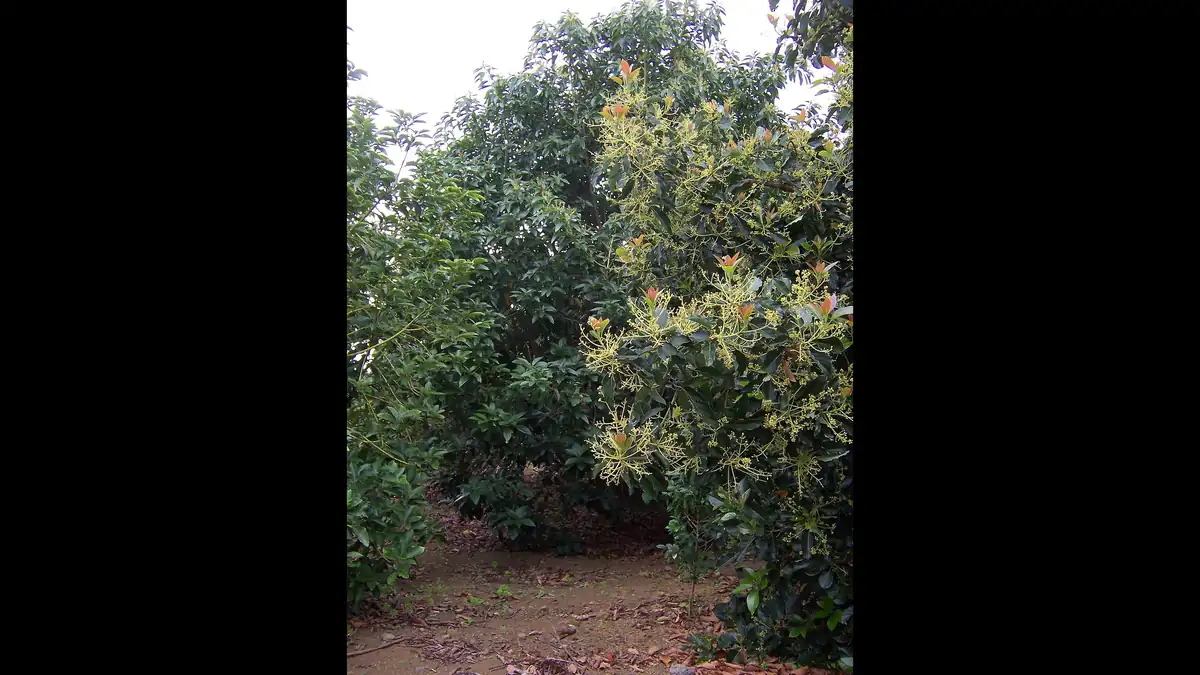
An avocado tree never goes dormant, so it never gets a safe season. A late frost that an apple tree would sleep through can blacken young avocado shoots, split bark and set a grove back by a year, and a frost pocket — a hollow where cold air pools on a still night — can kill trees on one row while the row above it stays untouched. FrostPocket Survey AI exists to find those pockets before a single tree goes in the ground. It reads elevation, slope, aspect and cold-air drainage across the site, marks where cold air will settle, and ranks every block for frost risk so the planting plan puts the youngest, softest trees on the warmest ground.
The survey starts with a walk and a phone, not a surveyor’s van. The startup photographs the site, records the slope and the low corners, logs nearby hedges, walls and water that trap or drain cold air, and the tool builds a frost-risk map that shows which rows are safe for Hass and which should stay empty or take a hardier variety. It also flags wind exposure, because a subtropical evergreen loses water through its leaves all winter and a drying wind on cold soil is a second, quieter killer. The map becomes the planting plan: rows follow the warm contours, windbreaks go where the wind actually comes from, and the coldest corner becomes a track or a shed, not a row of dead trees.
What makes this tool avocado-specific is that it is built around a tree that is always in leaf. A deciduous orchard survey can treat winter as a blank; this one cannot. It scores every square of ground for year-round exposure, ties the frost map to the irrigation plan so cold nights can be met with water already in the soil, and keeps the record so that when a client asks why one corner was left unplanted, the answer is a map and a temperature log, not a guess. Buy this tool first if the site has any low ground at all, because no variety choice or pruning plan can save a grove planted in a frost pocket.
HassMatch AI: The Best Tool for Choosing Hass, Fuerte, Reed and Maluma Varieties
Hass is the variety buyers ask for by name, with its dark pebbled skin and rich, oily flesh, but a grove of Hass alone is a weaker grove than a grove planned as a set. Fuerte flowers early and crops in a different window, Reed carries large fruit late in the season, and Maluma brings heavy yields on vigorous trees. HassMatch AI matches the variety mix to the site, the climate band and the buyers, and pairs each main variety with polliniser trees whose flowering overlaps it, so the bees have somewhere to go and the fruit sets evenly across the block.
The tool asks for the site’s frost record, its heat in summer, its rainfall and its soil, then scores each variety for that ground. It will warn you off a late variety where the season is short, and it will warn you off planting all Hass where a single flowering failure would empty the whole year’s crop. It also plans the polliniser rows: avocado flowers open as female in the morning and male in the afternoon, or the other way round depending on the type, and a grove with only one flowering type sets far less fruit than a grove where the two types overlap. The plan shows how many polliniser trees to plant, where to put them, and what share of the crop they should carry.
GraftLine AI: The Best Tool for Ordering Grafted Trees and Tracking Rootstocks
Almost no commercial avocado tree grows from seed. Seedling trees are variable, slow to crop and often bear fruit nothing like the parent, so every tree in a working grove is grafted: a known variety joined onto a chosen rootstock that controls vigour, tolerates the soil, and resists the root rots that kill ungrafted trees in wet ground. GraftLine AI runs the ordering and the record for those trees. It matches rootstocks to soil type and drainage, books nursery lots months ahead of planting, and follows every tree from the nursery bench to its row, so a weak patch in year three can be traced back to a lot, a rootstock and a grafting date.
The ordering job matters because nurseries sell out of the good lots first and a startup that orders late plants whatever is left. The tool holds the planting plan, works out how many trees of each variety and rootstock are needed, staggers deliveries so trees arrive when the ground is ready rather than sitting in a yard drying out, and checks each delivery against the order: variety, rootstock, graft height, stem thickness and health. A tree with a poor graft union will fail in its second or third year, long after the invoice is paid, so the delivery check is the only moment the startup can catch it.
CanopyPrune Planner AI: The Best Tool for Hedging an Evergreen Canopy That Never Goes Bare
An avocado tree does not drop its leaves and offer a bare winter skeleton to prune. It holds a dense evergreen canopy all year, and left alone it grows tall, shades its own lower branches, and stops fruiting where the light cannot reach. The fruit grows where the light falls, so the pruning job is a light job: hedging the sides, topping the height a tree crew can reach, and opening windows in the canopy so sun reaches the inner fruiting wood. CanopyPrune Planner AI plans that work row by row, so the crew cuts the right branches and leaves the wood that will carry next year’s crop.
The tool reads the tree height, the row spacing and the canopy density, then draws the hedging line: how much to take off the sides, how low to top, and which inner limbs to thin so light reaches the centre without stripping the tree bare. It times the work around flowering and fruit set, because heavy pruning at the wrong moment can knock off the flowers that would have been next year’s crop, and it staggers the work across blocks so the whole grove is never cut at once. The plan also covers access: topping height is set by what the crew and their machines can reach safely, not by what looks tidy from the track.
DryMatter Scout AI: The Best Tool for Timing the Pick by Dry Matter, Not by Colour
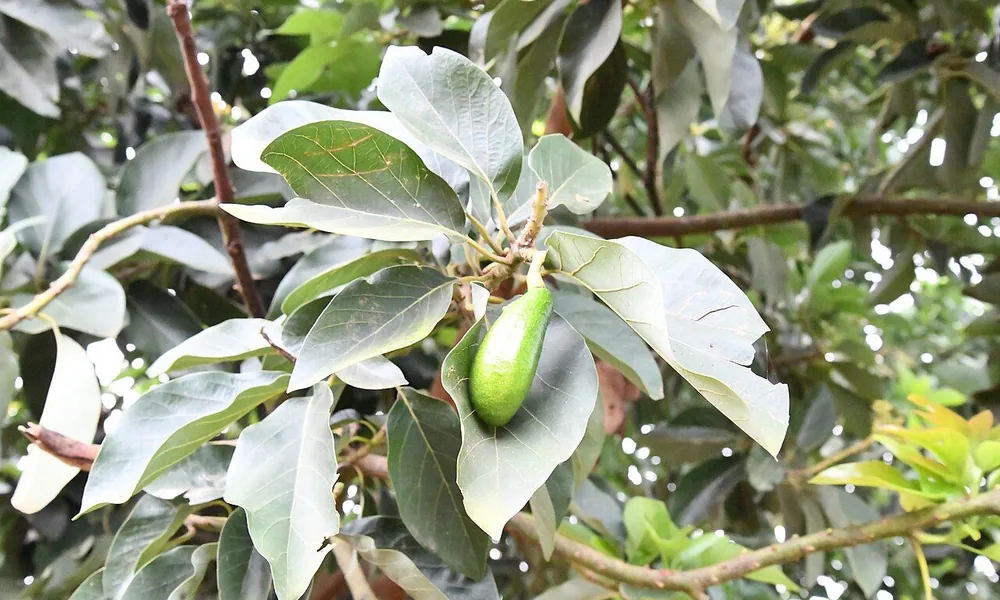
This is the tool the whole avocado build turns on. An avocado does not ripen on the tree. It stays hard while it hangs, building oil, and it only begins to soften after it is picked. Colour is no guide — Hass darkens as it ripens off the tree, but on the tree it stays green and hard long after it is ready — so the picking decision has to come from inside the fruit. Dry matter is the measure: the share of the flesh that is not water, which rises as oil accumulates. DryMatter Scout AI tracks dry-matter readings across the grove, block by block, and tells the crew which rows are ready to pick and which need another fortnight.
The routine is simple and strict. The startup samples fruit from marked trees, dries and weighs the flesh, logs the dry-matter figure against the variety’s threshold, and the tool plots the rise across the season. When a block crosses its threshold, the pick is booked; when it is below, the crew stays away, because fruit picked too early will shrivel and never ripen properly, however long it sits in the ripening room. Pick too late, and the fruit hangs so long that the next flowering is squeezed and the tree slips into an on-off bearing pattern. The tool holds the thresholds for Hass, Fuerte, Reed and Maluma separately, because each variety matures on its own clock.
For the client, the dry-matter record is also the proof of quality. A buyer who pays for oil content wants numbers, not a promise, and the tool hands over a picking log that shows the dry-matter figure for every block on its picking day. It is the difference between a farm that guesses and a farm that knows, and it is the one tool no other planting trade on this site needs — because no other fruit here is picked hard and judged by what is inside it. If the startup buys only one harvest tool, this is the one.
RipenRoom AI: The Best Tool for Ripening Fruit Off the Tree in Stages
Picking is only half the harvest. An avocado leaves the tree hard as a stone, and it reaches the buyer soft, creamy and ready to eat only after days in a ripening room. RipenRoom AI runs those rooms: it sets the temperature, the airflow and the ethylene level that triggers ripening, stages batches so fruit ripens in order rather than all at once, and tracks each batch from hard to eating-ripe so the startup knows what will be ready on Thursday and what must wait until Monday.
The staging matters because buyers do not want a whole crop ripe on the same day. A fresh-fruit buyer wants a steady flow of fruit at the right ripeness for their shelf, and a direct-sale customer wants fruit that will be ready in two days, not fruit that is already soft in the box. The tool holds each batch at the right stage — hard, breaking, ripe — and moves it through the room on a schedule, checking firmness by hand and by pressure test, and flagging any batch that is ripening too fast or not at all. A batch that ripens unevenly is a batch that gets complaints, so the record for each batch is kept with its picking date, its dry-matter figure and its room conditions.
AvoGrade Vision AI: The Best Tool for Grading Fruit by Size, Skin and Oil Content
Not every avocado off a tree is worth the same money, and the startup that grades well earns more from the same crop than the startup that tips everything into one bin. AvoGrade Vision AI grades each fruit by size, by skin condition, by blemish and by oil content, and sorts the crop into the grades each buyer wants. Large, clean, high-oil fruit goes to the fresh-fruit buyer who pays for appearance; smaller or lightly marked fruit goes to the oil presser, who cares about oil and not about looks; damaged fruit is kept out of both channels before it can spoil a whole consignment.
The grading runs on the packing line. Fruit passes under the camera, the tool measures size and shape, spots skin damage, sunburn and insect marks, and reads the dry-matter figure already logged for the block it came from. It learns the buyer’s own thresholds, because one fresh-fruit buyer wants large fruit and another wants a smaller pack size, and it keeps the grade mix honest: a box labelled as first grade must hold first-grade fruit, or the buyer will not come back. The tool also counts the grade split as the season runs, so the startup can see whether a block is producing the grades the buyers want or whether the canopy work needs to change.
OilBuyer Match AI: The Best Tool for Selling Every Grade to Oil Pressers and Fresh-Fruit Buyers
An avocado farm has two kinds of buyer, and they want opposite things. The fresh-fruit buyer wants large, unblemished, high-oil fruit that will ripen evenly and look good on the shelf. The oil presser wants oil, and will take the smaller, marked or misshapen fruit the fresh trade passes over, paying by oil content rather than appearance. OilBuyer Match AI matches each grade of the crop to the buyer who values it most, so the startup sells the top grade fresh, the second grade to the presser, and wastes as little as possible.
The tool holds the buyer list with each buyer’s grade thresholds, pack sizes, delivery windows and price, and it watches the grade split coming off the packing line. When the crop leans small, it books more presser capacity; when the crop runs large and clean, it offers more to the fresh buyers. It also plans the delivery runs, because avocados picked hard travel well but ripened fruit does not, and a load that arrives bruised is a load that gets rejected. Contracts are logged with the grade, the price and the delivery date, so the startup knows what is promised and what is still free to sell.
AvoFarm Ledger AI: The Best Tool for Quoting, Costing and Handing Over the Farm
An installation startup sells a farm, not just a season of work, and the handover is where the job is judged. AvoFarm Ledger AI holds the money side: the quote for the site work, the trees, the irrigation and the ripening room; the costs as they land; the invoices as they go out; and the handover file the client keeps when the startup leaves. It prices the job from the frost map, the variety plan and the tree order, so the quote reflects the actual ground rather than a round number, and it tracks every change so a client who adds a block or changes a variety can see what it costs before the work starts.
The ledger also carries the farm’s own records forward. Tree lots, rootstocks, grafting dates, dry-matter logs, grade splits and buyer contracts all sit in one file, so the client inherits a grove with a history rather than a set of trees and a shrug. That file is what the next season’s work is planned from, and it is what a buyer or a lender asks for when they value the farm. A startup that hands over a complete ledger hands over a working business; a startup that hands over nothing hands over a mystery.
How an avocado farm differs from the orchards and farms around it
The orchard precedent on this site is clear: apple, cherry, almond, fig, plum, pear and peach orchards are all live as separate trades, because each fruit is grown differently. The avocado belongs in that company, and it is further from any of them than apple is from cherry. An apple orchard installation is built around chill hours, blossom thinning and fruit that ripens on the branch and is picked by colour and taste. An avocado grove is built around frost avoidance, evergreen hedging and fruit picked hard and judged by dry matter. The trees look similar from the track — rows of trees on a slope — but the work inside them is different in almost every decision.
The tropical tree crops draw the next line. The coffee farm installation trade grows cherries that redden on the bush, then pulps, ferments and dries them for a roaster buyer. The avocado farm grows a single-seeded, oil-rich fruit that is never pulped or fermented, and its buyers are oil pressers and fresh-fruit sellers. The tea farm plucks young leaf and withers, rolls and dries it — a leaf crop, not a fruit crop at all. The avocado’s closest neighbours in the field are the orchards, and even there the harvest is the giveaway: no orchard fruit ripens off the tree, and no orchard pick is timed by a laboratory test on the flesh.
The olive grove installation trade is the nearest parallel, and it still proves the point. An olive grove also grows an oil-rich fruit on a long-lived tree, and its oil matters as much as its fresh fruit. But olives are picked for the press and cured or pressed at once, while avocados are picked hard, ripened off the tree, and sold fresh or pressed according to grade. The two trades share an oil buyer and a tree, and almost nothing else. That is why the avocado farm stands as its own trade: same landscape, different crop, different harvest, different sale.
What the first year on a new avocado farm actually looks like
Year one is groundwork, not harvest. The frost survey comes first, then the variety plan, then the tree order, because nurseries need months of notice for grafted trees and the best lots go first. The ground is prepared while the trees are growing in the nursery: drainage checked, windbreaks planted, irrigation lines laid, and the planting rows marked on the warm ground the survey approved. Trees go in when the soil is warm and the frost risk has passed, and the first season is about establishment — watering little and often, protecting young trees from wind and cold, and shaping the first leader while the tree is still small enough to train by hand.
Years two and three are shaping years. The canopy is trained, the hedging plan starts, and the first flowers appear — too few to pick, but enough to show whether the polliniser pairing is working. The dry-matter routine starts on the first small crop, so the crew learns the sampling and testing habit before the crop matters. The ripening room is built and tested with bought-in fruit if the grove has none of its own yet, because a room that has never been run is a room that will fail on the first real batch.
The first real harvest usually comes in year three or four, and it is small. That is the year the grading and buyer tools earn their keep: a small crop sold well, with every grade placed and every buyer paid on time, teaches the startup more than a large crop sold badly. The grove then builds year on year, the canopy fills, the crop grows, and by year six or seven a well-sited grove is in full production.
Avocado farm installation checklist
- Walk the site for frost pockets before choosing any variety — cold air pools in hollows and kills young evergreen trees.
- Order grafted trees months ahead, and check variety, rootstock and graft union on delivery.
- Plant polliniser varieties whose flowering overlaps Hass, so fruit sets evenly across the block.
- Start dry-matter sampling on the first small crop, so the picking habit is ready before the harvest matters.
- Build and test the ripening room before the first real pick, not during it.
- Grade every load and place the second grade with an oil presser — a crop with no second-grade buyer loses money.
Frequently asked questions
What is an avocado farm installation startup?
It is a business that designs and plants avocado groves for clients: surveying subtropical ground, choosing grafted Hass and companion varieties, ordering the trees, laying out rows and irrigation, and handing over a grove with a picking, ripening and selling plan. It installs the farm; the client owns and runs it afterwards.
How is an avocado farm different from a mango farm?
Avocado is a subtropical evergreen whose fruit is picked hard by dry-matter content and ripens off the tree, and sells to oil pressers and fresh-fruit buyers. Mango is a tropical stone fruit whose fruit ripens on the tree and is picked by colour and sweetness. Different climate band, different fruit, different harvest, different buyers.
How is an avocado farm different from a coffee farm?
Coffee grows cherries that redden on the bush and are pulped, fermented and dried for a roaster. Avocado grows a single-seeded, oil-rich fruit that is picked hard, ripened off the tree and sold fresh or pressed. There is no pulping, fermenting or drying in the avocado build, and no roaster buyer.
How long before a new avocado farm earns money?
The first small harvest usually comes in year three or four, and full production in year six or seven. The startup’s job is to plan for that curve honestly: the frost survey, the variety choice and the dry-matter routine all pay off in those early years, when a mistake costs a season rather than a crop.
What does dry matter mean, and why does it decide the pick?
Dry matter is the share of the fruit’s flesh that is not water, and it rises as oil accumulates while the fruit hangs on the tree. Because an avocado stays hard and green on the tree, colour cannot tell you it is ready — the dry-matter figure can. Fruit picked below its variety threshold shrivels and never ripens properly.
Which AI tool should a new avocado farm startup buy first?
The frost survey tool, if the site has any low ground, because a grove planted in a frost pocket cannot be saved by later tools. Next the variety matcher and the dry-matter scout: the first decides what the grove will grow for thirty years, and the second decides whether each year’s crop is picked at the moment it is worth the most.
The bottom line
An avocado farm is a patient trade built on three decisions that cannot be undone cheaply: where the grove sits, what varieties are grafted, and when each block is picked. Get the frost survey right, plant the right mix of Hass and pollinisers on the right rootstocks, and pick by dry matter rather than by eye, and the rest of the build — the hedging, the ripening room, the grading and the oil buyers — falls into place. The nine tools in this guide cover those decisions in order, from the first site walk to the first sale. Start with the siting and variety tools, learn the dry-matter routine on the first small crop, and sell every grade to the buyer who values it. That is how an avocado farm installation startup launches with confidence, and how a grove planted in 2026 is still paying in 2056.

Keep what speaks to you.
Leave room for your own perspective.