A boat is an expensive thing to own and a valuable thing to hire. People pay good money to spend a day on the water, and most of them do not own a boat — which is where you come in. If you have a boat, or you are thinking of buying one, here are the best ways to turn it into income.
One warning first: boating is serious business, and the water does not forgive mistakes. Get the proper licence, get insurance, and never take paying passengers out before you are trained and legal. The money is real, but only if the boat and the skipper are both up to the job.

1. Fishing charters
The classic boat income is fishing charters: take four to six people out for a half day or a full day, provide the rods and the bait, and charge $400 to $800 a trip. The work is seasonal and weather-dependent, but the customers book weeks ahead in summer and come back every year if the fishing is good. Know your local waters better than anyone — the charter that catches fish gets the reviews, and the reviews fill the diary. Keep the boat clean, the safety gear visible, and the coffee hot, and the tips alone can add $50 to $100 a trip.
2. Sightseeing and sunset tours
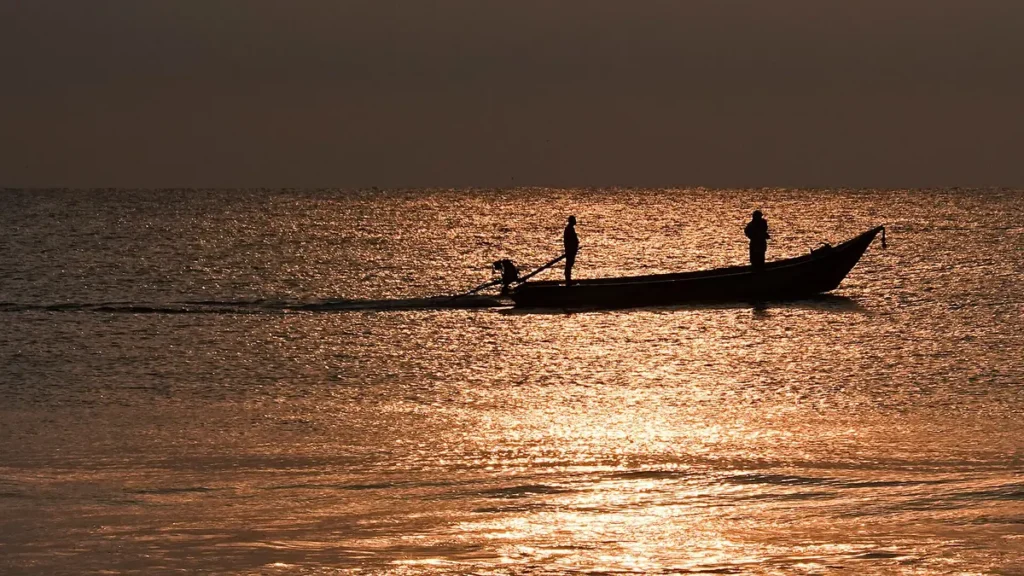
Not everyone wants to fish — most people just want to be on the water. Sightseeing tours, sunset cruises, and harbour trips pay $40 to $80 a head, and a boat that carries ten people can earn $400 to $800 in two hours. The work is easier than fishing: a calm route, a few good stories about the coastline, and a safe return before dark. The best ways to make money in summer are full of seasonal work like this — the jobs appear when the weather turns, and the person with the boat gets paid.
3. Renting the boat out bareboat
If you would rather not skipper, rent the boat out bareboat — the customer hires the boat and drives it themselves. Bareboat rental pays $200 to $500 a day depending on the size of the boat, and the work is mostly admin: bookings, cleaning, and a handover check. Only rent to people with the right licence and experience, and check the boat over after every hire. A damage deposit is not optional — it is the difference between a business and a very expensive hobby.
4. Water taxi and island transfers
In coastal towns and island areas, a small boat works as a water taxi: ferrying people between the mainland and an island, or between a hotel and a beach. Water taxi work pays $30 to $60 a trip, and the jobs are steady all summer — the same passengers, the same route, every day. It is the least glamorous boat income and one of the most reliable: regulars, regular money, and no marketing needed once the route is known.
5. Teaching sailing and boating
If you know boats well, teach other people to use them. Sailing lessons and powerboat courses pay $50 to $100 an hour, and the students are adults who have bought a boat and realised they do not know how to drive it. The best ways to make money with a tractor work the same way — the machine creates the job, and the person who knows how to use it gets paid twice: once for the lesson, and again when the student hires the boat. A teaching qualification helps, and it is what lets you charge the higher rate.
6. Advertising and film work
Boats earn money standing still, too. Film crews, photographers, and advertisers hire boats as locations and as camera platforms, paying $300 to $800 a day. The work is irregular and the hours are long, but it pays well and it needs nothing except a clean boat and a skipper who can hold position. List the boat with local film location agencies, and keep a few good photos ready — the crew that hires a boat from a photo hires the boat that looks right.
7. Selling the trip, not the boat
The last way to make money with a boat is the one most owners miss: sell the experience, not the vessel. A tidy listing, a few good photos of happy passengers, and a clear price will bring in more bookings than a sign at the marina. Most boat owners rely on word of mouth and wonder why the diary is empty in June. The best ways to make money with a chainsaw make the same point in a different world: the tool is the start, and the marketing is the business. The trips are there all season — the owner who lists them is the owner who earns.
The bottom line
The best boat income is a mix across the season: charters on the good days, tours on the calm evenings, and rentals when you want a day off. Start with the safest work, get the licence and the insurance, and let the reviews build. A boat is a big investment, but in careful hands it is also one of the most enjoyable ways to turn a machine into a living.
Frequently asked questions
How much does it cost to start a boat business?
A small used boat suitable for charters costs $10,000 to $30,000, safety gear another $1,000 to $2,000, and commercial insurance around $1,000 a year. Most people start with a boat they already own for weekends and add paid trips around it — the boat pays for itself in two to three seasons.
Do I need a licence to take paying passengers?
Yes — in most places you need a commercial skipper’s licence to carry paying passengers, plus a boat that passes inspection. The exact rules depend on where you live, so check with your local maritime authority before you take a single booking.
What is the most profitable boat work?
Fishing charters pay the most per trip, and sightseeing tours pay the most per hour. Bareboat rental is the steadiest — lower pay per day, but no skipper needed and the boat earns while you are at home.
Can I make money with a small boat?
Yes — a small boat is often better for paid work than a big one, because it costs less to run, fits in more places, and suits the trips people actually book: fishing for four, a sunset cruise for six, a water taxi for two. Most paid boat work is small-scale, and the small boat is the one that fits.

Keep what speaks to you.
Leave room for your own perspective.