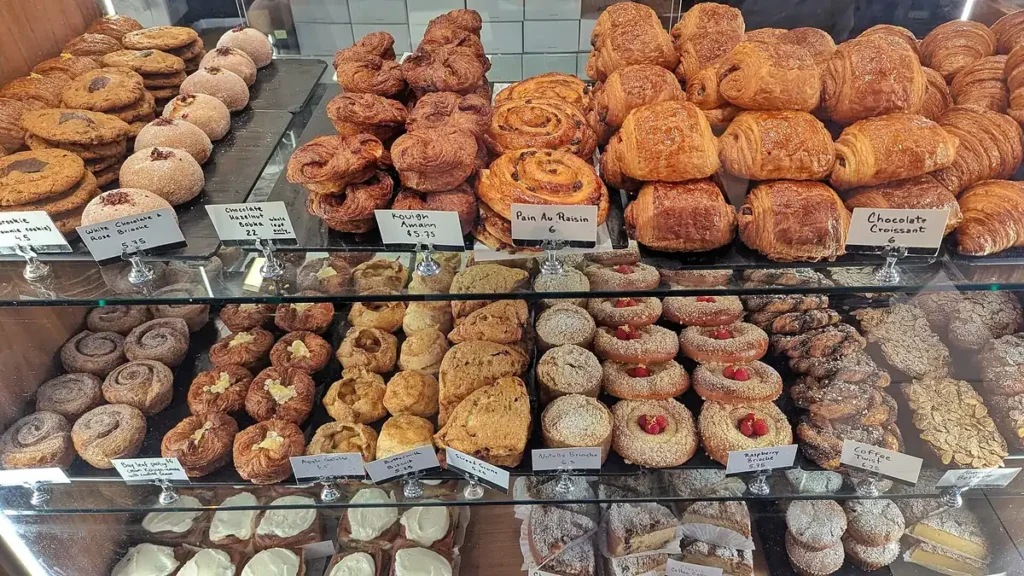
A bake sale is one of the fastest ways to turn home baking into real money. You do not need a shop, a year-round licence, or a big audience. You need one good day, one busy crowd, and a table of treats people want.
Treat it like a one-day business, not a lucky guess: plan the menu, price every item from its real cost, and set the table up to sell.
This guide covers the whole plan, from picking the event to counting the money: bake what sells, price it right, and make buying easy.
Key takeaways
- Pick a busy event first, then build the menu around that crowd.
- Set a money goal before you bake, and cost every item before pricing it.
- Keep the menu short: cheap treats that pull people in, plus one or two showpieces.
- A clear table, honest labels, and easy payment sell more than extra baking.
- Count every sale and cost, so your next bake sale earns more.
Why a Bake Sale Still Works
People love buying home baking, especially when buying feels easy and the cause feels good. A stall at a school fair or market catches people already out and spending.
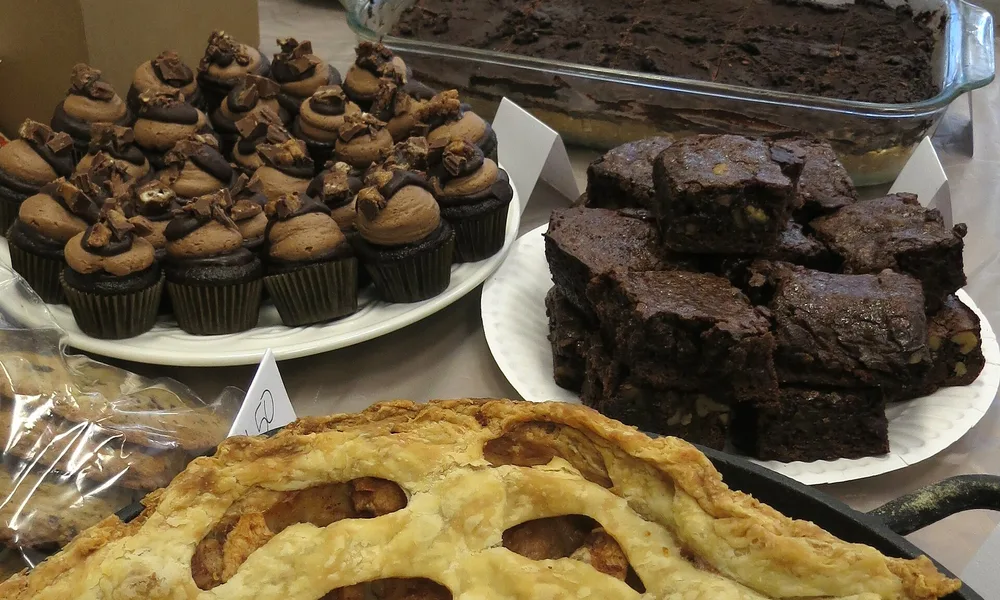
Costs stay low because the kitchen is already there, and flour, sugar, butter, and eggs are cheap. A tray of brownies costing a few dollars can sell for many times that.
Pick the Right Event and the Right Day
The event matters more than the baking: a sale in a quiet hall on a wet Tuesday will struggle no matter how good the cakes are, while the same table at a school fair or busy market can sell out before lunch.
Look for events where people stay a while and bring money to spend, and ask the organisers how many people usually come. A crowd of two hundred with nothing sweet on offer beats a crowd of two thousand with three other cake stalls.
Set a Money Goal Before You Bake Anything
Decide what success looks like before a single oven is switched on: fifty dollars needs a small table and a few trays, while five hundred needs a team and a bigger crowd. Learning how to set financial goals that actually stick helps here, because a bake sale goal works like any other money goal: specific, written down, and checked at the end.
Work backwards: three hundred dollars of profit at two dollars an item means selling one hundred and fifty items. That sum tells you how much to bake, and whether the crowd is big enough.
Build a Menu That Sells Out
A short menu sells better than a long one: five or six items, each easy to batch, wrap, and eat without a plate or fork. Cookies, brownies, cupcakes, and muffins suit most bake sales.
Mix cheap treats with one or two showpieces: the cheap items, at one or two dollars, pull people to the table, while a whole decorated cake or a box of iced cupcakes brings in the bigger sales. Offer one nut-free option if you can, and label allergens clearly: trust sells.
Work Out Costs, Then Price for Profit
Most bake sales lose money the same quiet way: the baker adds up the flour and sugar, forgets everything else, and prices too low. The real cost includes ingredients, packaging, and table costs such as labels and bags, and writing every cost down is at the heart of knowing how to create a budget that actually works.
| Item | Cost to make | Selling price | Profit each |
|---|---|---|---|
| Chocolate chip cookie | $0.40 | $2.00 | $1.60 |
| Brownie square | $0.55 | $2.50 | $1.95 |
| Iced cupcake | $0.70 | $3.00 | $2.30 |
| Box of six cookies | $2.60 | $10.00 | $7.40 |
| Whole decorated cake | $9.00 | $35.00 | $26.00 |
Price from your costs, not from what feels polite: a forty-cent cookie is not a fifty-cent cookie, and at two dollars it still feels like a bargain. Round prices keep the queue moving, and bundles lift the average sale. If cupcakes sell out in the first hour, they were priced too low; if whole cakes are still sitting there late on, cut the price rather than taking them home.
Set Up a Table People Stop At
People buy with their eyes first: raise the back of the table so the tallest items sit at the back, and leave gaps between plates so it looks generous, not crowded. A clean tablecloth and a clear hand-written sign beat fancy decorations.
Label everything with its name and price, big enough to read from a few steps away. A sign saying what the money is for, and a small plate of samples, will stop far more people than a silent table.
Run the Day Like a Small Shop
Arrive early, set up before the crowd arrives, and keep the table full: an empty-looking table tells people the good stuff is gone. Give every helper a job: one serves, one handles money, and one restocks and talks to the crowd.
Keep the money side tidy: a cash box with a float of small notes and coins, a card reader or payment app, and a tally sheet. The easier it is to pay, the more people buy. Note when each item sells out: those notes shape a better bake sale next time.
Your Bake Sale Day Checklist
Tick each item off before the first customer arrives.
- Menu baked, cooled, wrapped, and labelled with names, prices, and allergens.
- Table, cloth, plates, tongs, bags, and napkins packed.
- Cash float of small notes and coins, plus a card reader or payment app tested.
- Signs showing prices and what the money is for, where the crowd can read them.
- Sample plate, tally sheet, and a pen for recording sales through the day.
- Spare boxes for restocking, and a plan for discounting leftovers late on.
Frequently Asked Questions
How much money can you make from a bake sale?
A small table at a school fair often makes fifty to two hundred dollars of profit, while a well-run table at a large event can make three hundred to five hundred dollars or more.
What sells best at a bake sale?
Cookies, brownies, and cupcakes sell fastest: cheap, easy to eat, and easy to buy on impulse. Whole cakes and boxed sets sell more slowly but bring in the biggest single sales.
How do you price bake sale items?
Start with the real cost, including ingredients and packaging, then set a price at least three times that cost. Round to a whole dollar, and lower the price in the last hour to clear leftovers.
Do you need a permit to run a bake sale?
Rules vary by place, so check before the day: many school and charity sales are covered by the event organiser, but some areas require food registration or allergen labelling. Label allergens clearly.
How far ahead should you bake?
Bake most items the day before, and frost or decorate on the morning itself. Cookies and brownies keep well for a day, while cream-topped items should be kept cool and made as late as possible.
Bottom Line
A bake sale makes money when it is planned like a business for a day: the right event, a short menu, honest costs, fair prices, and a welcoming table. Once the table is counted, put the profit to work: the best ways to invest for beginners can turn one weekend of baking into something bigger.
Note: Prices and profit figures here are typical examples, not guarantees. Costs vary with local prices, and food rules differ by area, so check the rules where you live before your first sale.

Keep what speaks to you.
Leave room for your own perspective.