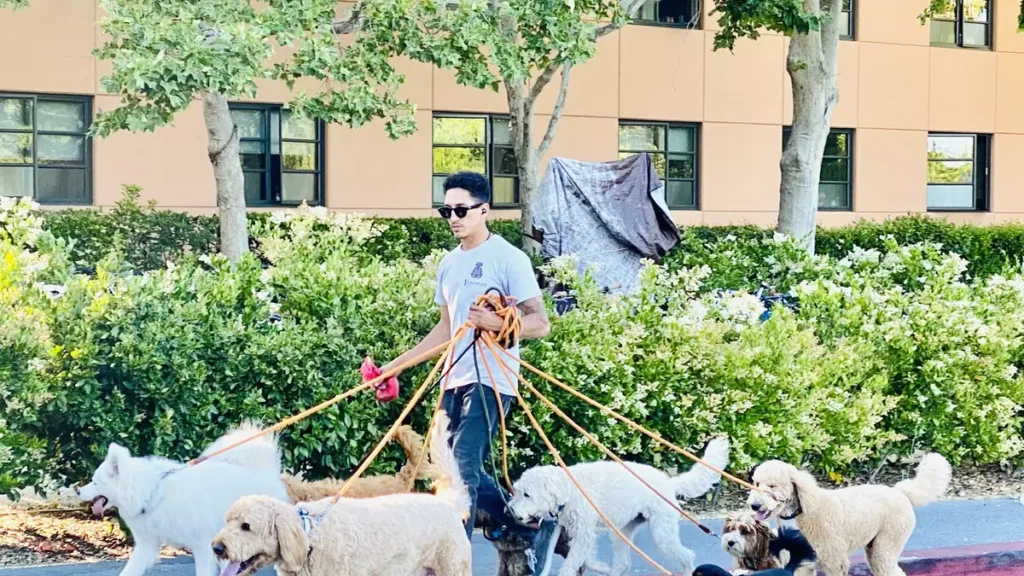
Dog walking looks like easy money from the outside: you spend an hour outside with a happy dog and get paid for it. The part nobody sees is the order things happen in. Walkers who earn a steady income do not start with flyers or a high rate. They start with dogs they already know, learn how those walks really go, and build clients, a route, and a price around that.
Step 1: Start with dogs you already know
Your first walks should not be paid work. Offer to walk a friend’s dog, a neighbour’s dog, or a family member’s dog for a week, and treat each walk as a trial run. Learn how the dog behaves away from its owner, how long the walk really takes, and whether you enjoy it in rain as much as in sunshine. A calm dog at home can pull hard at a squirrel.
Use these practice walks to build a simple routine. Meet the dog with its owner present the first time, walk the loop the owner normally uses, and note what matters: where the lead clips, whether the dog is nervous around traffic, and when it needs to go out. Keep your kit ready: a spare lead, poo bags, a towel, water, and a charged phone. These owners will recommend you next.
Ask each owner for honest feedback after a few walks: did the dog come home calm, did you return on time, was the photo enough? This is also the time to learn what not to take on yet. A dog that pulls hard or a puppy needing four short visits a day are fine work later, with experience. At first, say yes to straightforward dogs.
Step 2: Turn those first walks into your first paying clients
Once you have walked three or four dogs regularly for a couple of weeks, you have something no flyer can give you: people who can vouch for you. Ask those owners whether they would like to keep the arrangement going as a paid weekly slot, and whether they know anyone else who needs a walker. Most early clients come from personal recommendation, not adverts. One owner who trusts you will tell a neighbour or a friend at the park.
Keep the offer simple. Offer one thing, a regular walk at a set time on set days, rather than a menu of services. A weekday midday walk, two or three times a week, is the easiest slot to sell and keep. Agree the details in writing, even in a short message: days, time, length, cost, and cancellations. Reading how to earn money by dog walking alongside this guide will help you see how the first paid walks fit into a wider plan.
Offer a short trial walk before the first paid week, with the owner there at the start. The owner sees how you handle their dog, and you confirm you can walk it safely. After the trial, send a short update after every walk, a photo and a line about how the dog was. That habit turns a trial into a regular booking.
Step 3: Build a route that fits around your day
When you have five or six regular dogs, the order you walk them in starts to matter as much as the walking itself. Dogs in the same neighbourhood, walked one after another, earn far more per hour than the same dogs scattered across town with long gaps between them. Build your diary by area, not by whoever asked first. Take new clients near the dogs you already walk, and be honest with anyone too far away: charge for travel or say you cannot cover their area yet.
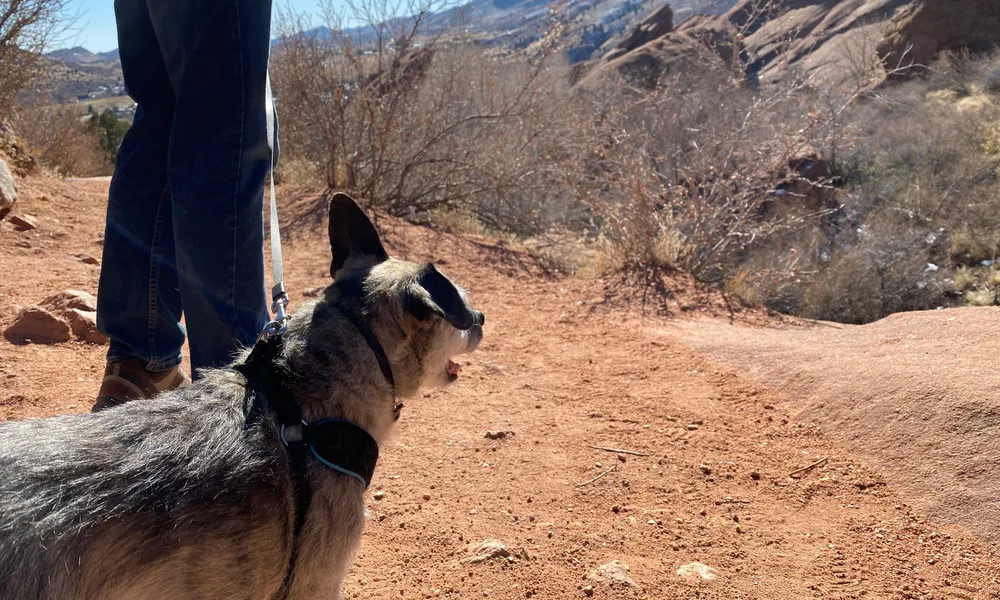
Time the route in real life before you promise it. Walk it for a week and note the slow parts: a dog that needs ten minutes to settle, a road that is hard to cross, an owner who likes a chat at the door. Leave a gap between walks for those things, so a delay on one walk does not make you late for the next three. Keep keys, feeding notes, and vet numbers in one place on your phone.
As the route fills, you will see which slots matter most. The midday weekday round is the backbone, because owners who work long days need it every week. Early or late walks can be added once midday is full. Resist filling every gap at once: a route with breathing room survives a sick day, while a packed route falls apart the first time anything goes wrong.
Step 4: Set your rates, then raise them as the diary fills
Start with a rate you can say out loud without hesitating. In many areas a thirty-minute walk sits around twenty to thirty-five dollars, a sixty-minute walk roughly double that, and a small extra charge for a second dog from the same household. Check what other local walkers charge, then price near the middle, not at the bottom. Your price should cover the walk, the travel between walks, and the time at the door.
Put the rate in writing with the booking, and keep it the same for every client at the same stage. Different prices for the same walk cause awkward conversations later, especially when two owners compare notes at the park. If a walk needs more, a dog walked alone or a home outside your route, say so plainly and price it on its own terms. Owners accept a higher price when they understand what it covers.
Raise your rates when your diary is full and new enquiries keep coming: that is the market telling you that you are underpriced. Raise the rate for new clients first, then tell existing clients a month ahead that it is going up and when. Most will stay, because finding a walker they trust takes more effort than paying a few dollars more.
Step 5: Turn a busy diary into steady monthly income
Steady income comes from the same dogs on the same days, week after week, not from one-off bookings. Once your midday round is full, protect it: confirm next week’s walks every weekend and keep a waiting list. Owners who travel ask their regular walker first, and those weeks are often the best-paid.
Track the money from the start, even when it is small. Write down every walk, what it paid, and what it cost in travel and supplies, and add it up each month. You will see which days earn best and whether your rate keeps up with the hours you work. That total also tells you when to grow. Many walkers find that making money as a pet sitter fits naturally alongside walking, since the same owners need someone to check in while they are away.
Growth should stay in the same order as everything else here. First make the walking round reliable, then add one new thing and make that reliable too, and only then think about the formal side. When the diary is full and you are turning work away, look at insurance, record keeping, and running the work as a proper business. Our guide to starting a dog walking business covers those steps for the moment your walks have already become a business in all but name.
That is the whole path: walk dogs you know, turn the best of those walks into regular paid slots, order them into a route that respects your time, price fairly and raise the price when the diary proves you should, and keep the same dogs coming back. The walkers earning steadily are rarely the ones who started biggest. They followed the steps in order.

Keep what speaks to you.
Leave room for your own perspective.