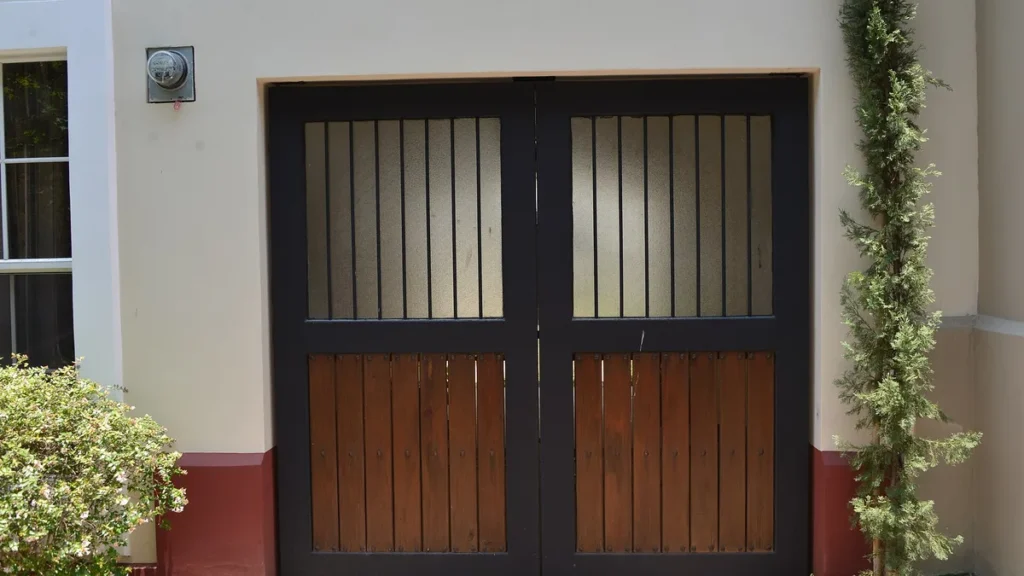
Most garages hold less than they could: a few boxes, a bicycle, maybe a car that only moves at weekends, while the rest sits empty. That empty space is worth something, because people nearby need somewhere dry and secure to keep a car or boxes.
Renting out your garage turns that unused space into steady monthly income without a second job. You set the price and agree the rules.
This guide covers garage and storage rental only: whether your garage suits it, how to price it, and how to keep it safe and legal. It is one focused way of making money with your house.
Key takeaways
- A clean, dry, lockable garage rents far faster than a cluttered one.
- Price by size, location, and extras, after checking what similar spaces charge.
- Agree the rules in writing first, including banned items, access hours, and notice.
- Tell your home insurer first, as a standard policy may not cover a paying renter.
- Screen every renter, keep a record of payments, and set aside part of the rent for tax.
How Garage Rental Works
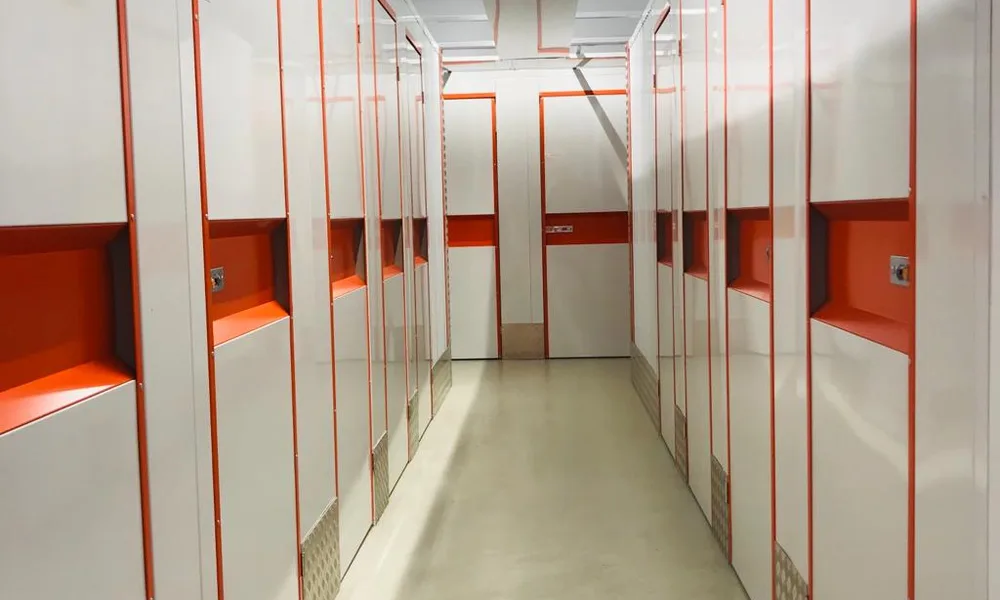
You offer a defined space, usually a single or double garage, for a monthly fee. The renter stores a vehicle, furniture, or boxes there, while you keep the rest of your home private. Most arrangements run month to month, so either side can end them with agreed notice.
What Renters Actually Use a Garage For
Vehicle parking is the most common use: a safe place for a second car, a classic car, or a motorbike where on-street parking is scarce. Storage is next, for people moving house or renovating who need somewhere to keep furniture and boxes. Like renting out your car, this works best when the use is simple and the terms are clear.
Is Your Garage a Good Fit?
The garage should be dry, clean, and lockable, with a door that closes properly and a roof that does not leak. Access matters too: can a car drive in and out easily, and can the renter reach it without walking through your home? Garages near flats, stations, or busy streets rent fastest.
How Much Can You Charge?
Price too high and the garage stays empty; price too low and you earn little while still carrying the risk. Check listings nearby first, and set your price close to theirs. Size, location, and extras drive it: a dry, lockable city garage earns more than a large but damp one far away.
| Garage type | Typical use | What raises the price | What lowers the price |
|---|---|---|---|
| Single garage, city street | One car or storage | Dry, lockable, easy access | Damp, shared access, no lighting |
| Double garage | Two cars, or car plus storage | Two bays, power, shelving | One bay blocked, poor security |
| Near flats or a station | Parking or boxes | High demand, short walk | Plenty of free parking nearby |
| Rural or out of town | Storage, larger items | Large floor, good road access | Long drive, low demand |
These are broad patterns, not fixed rates. A garage that books quickly at a fair price earns more over a year than an empty one.
Where to Find Renters
Storage and parking platforms are the easiest starting point: they put your listing in front of people already looking, and some handle payments. Read their fees first, because a platform with low fees but few local users earns less than a popular one. Local adverts and word of mouth work well too.
Prepare Your Garage Before You List It
Clear everything out first, then clean it properly: sweep the floor, check for damp, and fix the door lock and hinges. Take photos only when the work is done, in daylight, showing the empty space from several angles.
Your checklist before listing:
- Garage fully cleared, swept, and free of damp and leaks.
- Door, lock, and lighting all working, with a spare key ready.
- Floor space measured, so you can state the size.
- Access route clear, with no need to walk through your home.
- Photos taken in daylight showing the empty space.
- Monthly price, rules, and notice period written down before any enquiry.
Write a Listing That Gets Bookings
A good listing answers the renter’s questions first: size, location, what it suits, and the monthly price. Say whether it is for parking, storage, or both. Mention drive-in access, door size, power and lighting, and whether the renter gets a key, a code, or a remote. Be honest about limits too.
Set Clear Rules in Writing
Write the rules down before anything is stored, even if the renter is someone you know. A short agreement should state the rent, the payment date, any deposit, and the notice needed to end it. List what is banned: fuel, gas bottles, chemicals, perishable food, animals, and anything illegal. State the access hours, and make clear the renter pays for damage they cause.
Keep It Safe: Locks, Access, and Checks
Security is the heart of this service, because the renter trusts you with their belongings. Fit a strong lock, and consider a padlock or an alarm if the garage is out of sight of the house. Give the renter one key or code, keep a spare, and change the lock or code when a renter leaves.
Insurance, Liability, and What Your Policy Covers
Insurance is the part you must never skip. A standard home policy usually covers your own belongings in your garage, but it may not cover a paying renter’s car or boxes. Tell your insurer before your first renter moves in, and ask whether the policy covers the building, the renter’s belongings, and your liability if the renter is injured. Get the answers in writing.
The Real Maths: What You Keep After Costs
Start with the monthly rent, then subtract platform fees, extra insurance, and a little for maintenance. Allow for empty months: a garage that rents for ten months at a fair price earns more than one priced so high it stands empty half the year. The rent usually counts as taxable income, so keep a record of payments and set aside a share for tax. The same patient approach behind making money online without a website applies here.
Frequently Asked Questions
Do I need planning permission to rent out my garage?
Usually no, if the use stays as storage or parking and nothing about the building changes. Check your title deeds, lease, and local rules first.
Can I rent out my garage if I rent my home?
Only with your landlord’s written permission. Most tenancy agreements ban subletting without consent.
What should I do if a renter stops paying?
Contact them promptly in writing and give a short, clear deadline. Do not lock them out or dispose of anything without advice.
Can a renter live in my garage?
No. A garage is not a home, and letting someone live in one can breach planning, building, and safety rules.
What if a renter’s belongings are damaged or stolen?
Report a theft to the police and tell your insurer straight away. Your liability depends on the cause and what your agreement says.
How long should I rent the garage for?
Month to month suits most owners, because either side can end it with agreed notice.
Bottom line: A garage you are not using is a small, steady income waiting to happen. Clear it, make it dry and secure, price it fairly, and put the rules in writing before the first renter arrives. Tell your insurer, screen every renter, and keep a record of payments. Done that way, it will not replace a full-time income, but it can turn an empty space into reliable extra money at Face Zem.
Note: Prices, insurance, planning, and tax rules differ by country and area. Check your local rules, lease, and insurance policy before your first renter moves in.

Keep what speaks to you.
Leave room for your own perspective.