
Depop looks like a social feed, but it works like a shop. People scroll it like their favourite apps, stopping on outfits and one-off pieces they cannot find anywhere else. That is why it suits vintage sellers: a battered denim jacket or a floral dress from a charity shop can earn real money.
Making money on Depop is not about listing your whole wardrobe in one evening. It is about choosing pieces with a clear style, photographing them honestly, pricing them from sold prices, and keeping your shop active.
This Face Zem guide walks through the whole process, from finding vintage stock to refreshing listings, handling fees, and shipping without stress. You do not need designer labels or a big budget.
Key takeaways
- Depop buyers want vintage, Y2K, and streetwear with a clear style.
- Only buy stock you can sell for three times what you paid.
- Bright, honest photos on a plain background do most of the selling.
- Depop takes 10% of the sale price, plus a small payment-processing fee.
- Refresh listings regularly and reply fast to stay visible.
What Makes Depop Different From Other Selling Apps
Depop is built around fashion, and that changes how it works. Buyers do not arrive with a shopping list. They browse, follow sellers they like, and buy on impulse. A shop with a clear thread, such as 90s denim, gives buyers a reason to follow. For a marketplace where buyers search for a specific item, read our guide to how to make money by selling on eBay.
What Sells Best on Depop
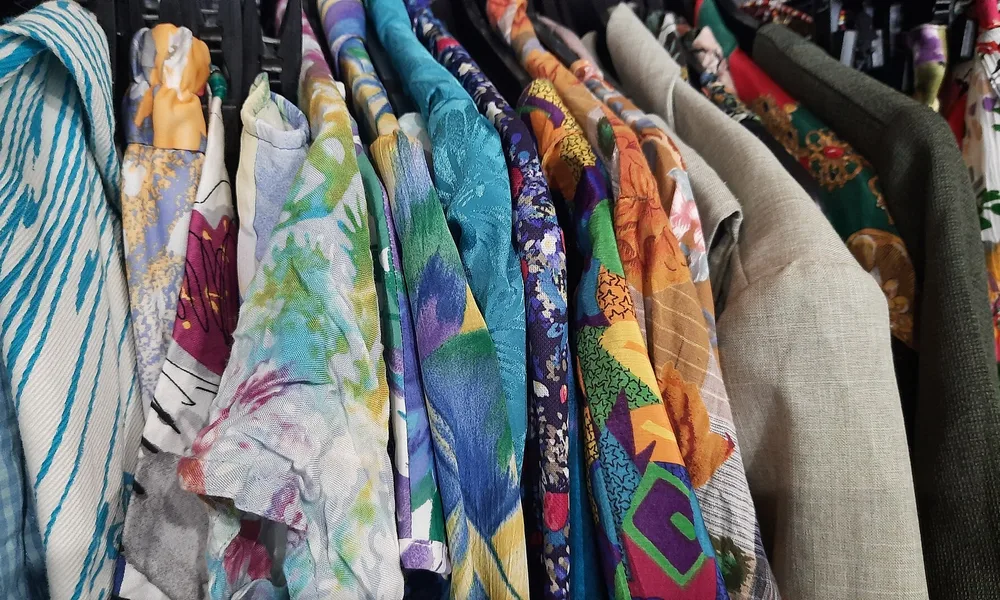
Vintage denim is the backbone of most Depop shops. Old jeans, denim jackets, and dungarees sell steadily. Retro sportswear runs close behind: track jackets, football shirts, and windbreakers from the 80s and 90s. Graphic tees, slip dresses, and leather jackets also move fast. Buyers expect some wear, and they will pay for honest pieces. Plain, modern fast-fashion basics with no story do not sell.
Where to Find Vintage Pieces Worth Listing
Your own wardrobe is the cheapest place to start. Pull out anything vintage that you no longer wear. Then try charity shops. Go often. Before you buy, check sold prices on Depop. If you cannot sell it for at least three times what you paid, leave it. If you are clearing out clothes you own, our guide to how to make money by selling old clothes walks through sorting and grading them.
Setting Up a Shop Buyers Trust
Choose a shop name that is short, easy to spell, and says something about your style. A name built on a vintage era or a colour works better than a string of numbers. Write a short bio: what you sell, how quickly you post, and whether you accept offers. State your policies: dispatch speed, usually within two working days, and whether you accept returns.
Taking Photos That Stop the Scroll
On Depop, the first photo is the whole pitch. Shoot in daylight, against a plain wall or a clean bedsheet. Natural light shows true colours. Photograph the front, the back, any label, and every flaw, because honest close-ups prevent returns and bad reviews. Flat lays work well, but modelled photos sell faster. Steam or iron each piece first.
Writing Titles and Descriptions That Get Found
Depop search is simple, so your title should be too. Put the most important words first: what it is, the era, the size, and the colour. A title such as “Vintage 90s denim jacket, size M, blue” will be found. Use the description for measurements, fabric, and condition. Vintage sizing is unreliable, so measurements matter.
Pricing Vintage Finds So They Actually Sell
Price from what similar pieces sold for, not from what you hope yours is worth. Search Depop for the same type of item, filter by sold listings, and look at the prices that moved. A vintage denim jacket might sell for three or four times what you paid, while a common tee may only be worth a small markup. Leave room for offers.
Depop Fees and What You Really Keep
Depop is free to list on, but not free to sell on. Depop takes 10% of the sale price, and the payment processor takes a small percentage plus a fixed fee on the total. On a £30 sale, fees can take around £4, so work out your profit after fees and postage. For bulky local items, our guide to how to make money by selling on Facebook Marketplace explains a route with no listing fees.
| Platform | Listing fee | Selling fee | Best for |
|---|---|---|---|
| Depop | Free | 10% plus payment processing | Vintage and streetwear |
| eBay | Free to start | Final value fee | Almost anything |
| Facebook Marketplace | Free locally | No fee locally | Bulky local items |
Refreshing Listings to Stay Near the Top
Depop shows the newest listings first, so a listing that has sat untouched for weeks sinks out of sight. Editing and saving a listing again, or deleting and relisting it, pushes it back to the top. Do not refresh everything at once. Pick five to ten listings a day, starting with the pieces that have the most likes, because likes signal interest.
Shipping Without the Stress
Good shipping starts before the sale, with postal bags and scales. Weigh each item as you list it, and work out postage before you set the price. Light items are cheap to post; heavy items such as denim jackets cost far more. Always use tracked postage: it protects you if a buyer says a parcel never arrived.
Growing From a Few Sales to a Steady Shop
Once your first sales come in, reinvest the profit in better stock rather than spending it. Buy the pieces that sell fastest, in the sizes buyers ask for most, and keep at least twenty live listings. A shop with twenty listings gets far more views than one with five. Use this weekly checklist to keep the habit going:
- List three new pieces, photographed in daylight, with measurements.
- Refresh five to ten older listings.
- Reply to every message and offer within a day.
- Post every sold item within two working days, with tracking.
- Adjust any listing unsold for three weeks.
- Record what you spent, earned, and what sold fastest.
Frequently Asked Questions
Do I need a business account to sell on Depop?
No. Start with a personal account. If you buy stock to resell regularly, check the tax rules where you live.
How long does it take to make your first sale on Depop?
With good photos, fair prices, and ten listings, many sellers make a first sale within two weeks.
Can I sell on Depop from my phone?
Yes, and most sellers do. The Depop app covers photos, listings, and postage, so you can run a whole shop from your phone.
What should I do if a buyer asks for a lower price?
Decide your lowest price before you list, and only accept offers at or above it.
Is it safe to sell vintage clothes on Depop?
Yes, if you follow the basics. Take payment through Depop, never move a sale off the app, and use tracked postage.
How much money can you make selling on Depop?
It depends on your stock and time. A steady shop listing good vintage pieces can build a regular side income.
Bottom line
Making money on Depop comes down to taste, honesty, and consistency. Find vintage pieces with a clear style, photograph them well, price them from sold prices, and keep your listings fresh. Start with what you own and treat every buyer well.
Note: Depop fees, payment rules, and postage options change, so check the current fees in the app before you set prices. Prices here are examples only.

Keep what speaks to you.
Leave room for your own perspective.


