Your house is probably the most valuable thing you own, and for most of the day it sits there earning nothing. The spare room stays empty, the garage holds boxes you never open, the driveway is vacant while you are at work, and the garden is used for a few hours a week. Making money with your house does not mean selling it or taking on a second job. It means renting out the parts you are not using, for hours, days, or months at a time.
1. Rent a Spare Room
A spare room is usually the simplest way to start, and often the most profitable. A lodger pays monthly, uses a room that would otherwise gather dust, and shares the kitchen and bathroom. In many places, renting a room in your own home is taxed more lightly than other rental income, so check the rules where you live. Be clear about what is included, put the agreement in writing, meet the person first, and ask for a reference.
2. Rent Your Garage, Shed or Storage Space
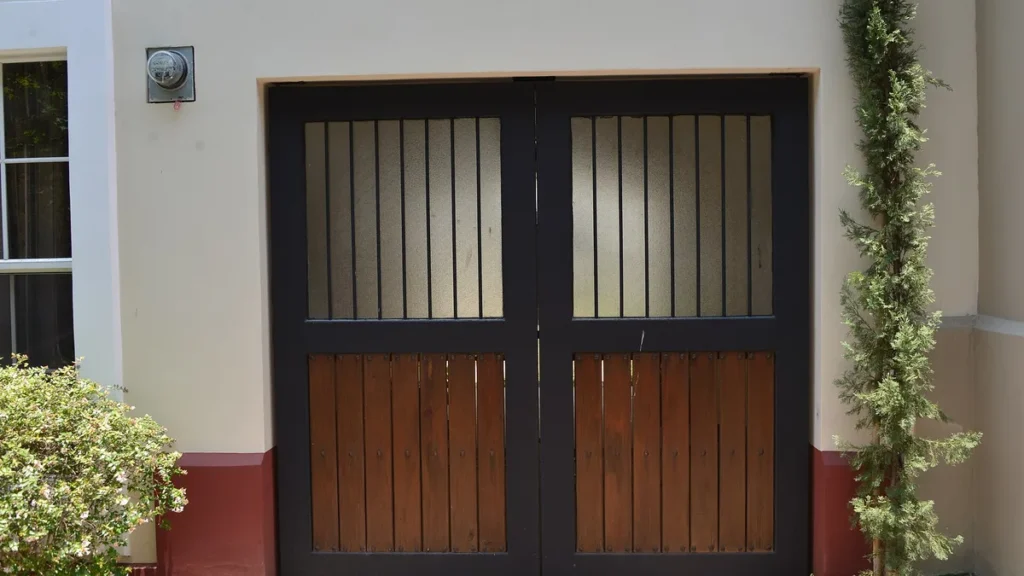
Storage is one of the easiest kinds of income a house can produce, because it asks almost nothing of you. People need somewhere to keep furniture between moves, tools, bikes, or stock for a small business, and if your garage, shed, or basement is mostly empty, that space has a market.
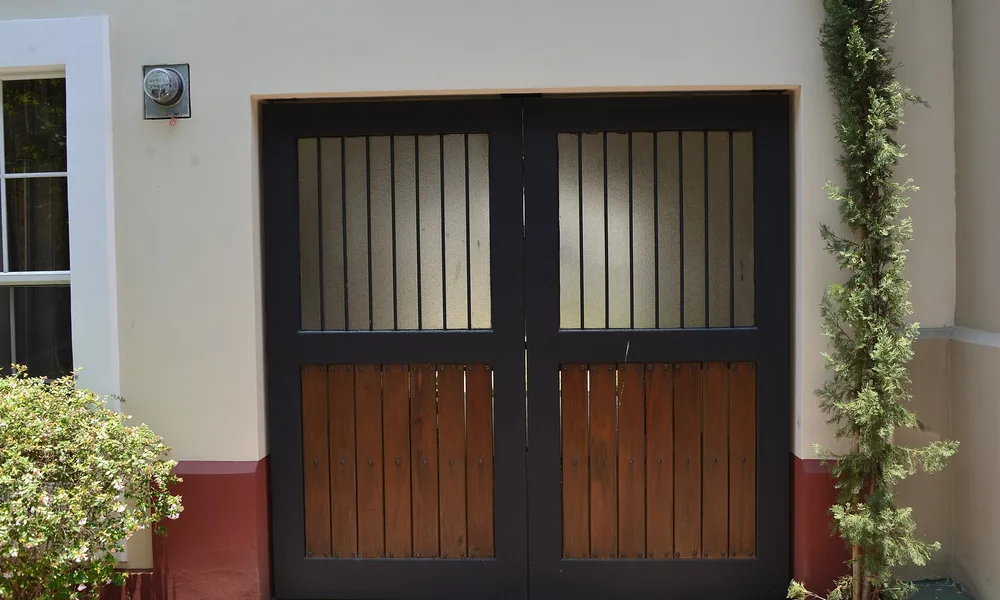
List the space honestly: the size, the height of the door, whether it stays dry, and whether there is power or a lock. Charge by the month, ask for payment in advance, and agree in writing what can and cannot be stored. Do not accept anything hazardous, flammable, or illegal. A simple inventory, signed by both sides, avoids arguments later. Garages near flats, offices, and busy streets earn the most, because the people who need storage often live nearby without any of their own.
3. Rent Your Driveway or Parking Space
If you live near a station, an office, a hospital, a stadium, or a busy high street, your driveway may be worth more than your spare room. Drivers pay for a safe place to park, and you can rent by the hour, by the day, or as a monthly deal for a regular commuter. This is a bigger topic than it looks, so if parking is your main angle, read our guide on how to make money renting out your driveway.
4. Rent the Whole House While You Are Away
When you go on holiday or visit family for a few weeks, your whole house is empty. Short stays can turn those weeks into real money, especially near a tourist area, a city centre, or a popular event. Guests pay far more per night for a whole home than for a single room, and a clean, well-kept house with good photos books faster than a larger one with poor ones. This idea takes more work: cleaning between guests, managing bookings and messages, and sorting out keys.
5. Host Small Events in Your Home or Garden
A house with a decent garden or a large living room can host small gatherings that venues charge a lot for: birthday parties, baby showers, book clubs, small weddings, and supper clubs. People pay for a private, comfortable space that feels nothing like a hired hall. Keep it small and controlled. Set a clear maximum number of guests, agree the hours, and decide what is included: tables, chairs, use of the kitchen, and parking.
6. Rent Your Home as a Filming or Photo Location
Film crews, photographers, and advertisers are always looking for real homes. A house with character, good light, a distinctive kitchen, or a pretty garden can earn a day rate that dwarfs a month of parking income. Shoots usually last a day or two, the crew brings its own equipment, and you are often asked to leave the house while they work. List your home with a location agency, with honest photos.
7. Rent Your Garden to Growers
If you have a garden you do not use much, someone nearby probably wants to grow vegetables in it. Allotment waiting lists are long in many towns, and a sunny patch of your garden, split into a few beds, can be rented by the season to a keen grower. Agree the basics in writing: which part of the garden is theirs, when they can come, who pays for water, and what happens to the beds when the season ends.
8. Rent Your Garden as a Private Dog Field
Dog owners pay for a safe, enclosed space where their dog can run off the lead without other dogs around. If your garden is fenced, secure, and a reasonable size, it can be booked by the hour as a private dog field. Owners book a slot, arrive, let the dog run, and leave. Security matters more than size. Check the fence for gaps, make sure the gate locks, and remove anything a dog could eat or hurt itself on.
9. Rent a Basement or Attic as a Workspace
A dry basement, a converted attic, or a large spare room can work as a quiet workspace for one person: a writer, a tutor, a therapist, or a designer who needs a calm room for calls. It is steadier than short stays and quieter than events, and the renter usually keeps office hours and goes home in the evening. Make the space work-ready before you list it. It needs good light, a desk and a chair, reliable internet, and heating.
How Much Can You Earn?
There is no single answer, because location matters more than anything else. A spare room in a city can pay several times what the same room pays in a village, and a driveway near a station can out-earn a garage in a quiet suburb. As a rough guide, a spare room and a whole-house stay are usually the biggest earners, storage and workspace sit in the middle, and parking and dog-field bookings are smaller per booking but steadier. If you are weighing whether to keep the house or move, our comparison of renting vs buying a home looks at which choice builds wealth faster.
What to Check Before You Start
Four checks come before any listing. First, your mortgage, lease, or homeowners association rules: some agreements limit lodgers, short stays, or business use, and breaking them can cost far more than the income is worth. Second, your home insurance: tell your insurer what you plan to do, because a claim involving a paying guest or a stored item may not be covered on a standard policy. Third, your local rules and taxes. Some places require a permit for short stays, limit the number of nights a year, or tax room rental above a set amount.
Mistakes to Avoid
The most common mistake is starting without a written agreement. Even a one-page note covering the price, the dates, what is included, and how either side ends the arrangement prevents most arguments. The second mistake is underpricing out of eagerness, then resenting the work. Check similar listings, price fairly, and raise the price once you have good reviews.
Your house is already there, and the space you are not using is already paid for. Pick the idea that fits your home and your temperament, check the rules, write the agreement, and put up one listing. The first booking will teach you more about the real income than any amount of planning. For more ideas that use what you already have, see the best ways to make money from home, and start with the room, the space, or the patch of garden that is sitting empty today.

Keep what speaks to you.
Leave room for your own perspective.