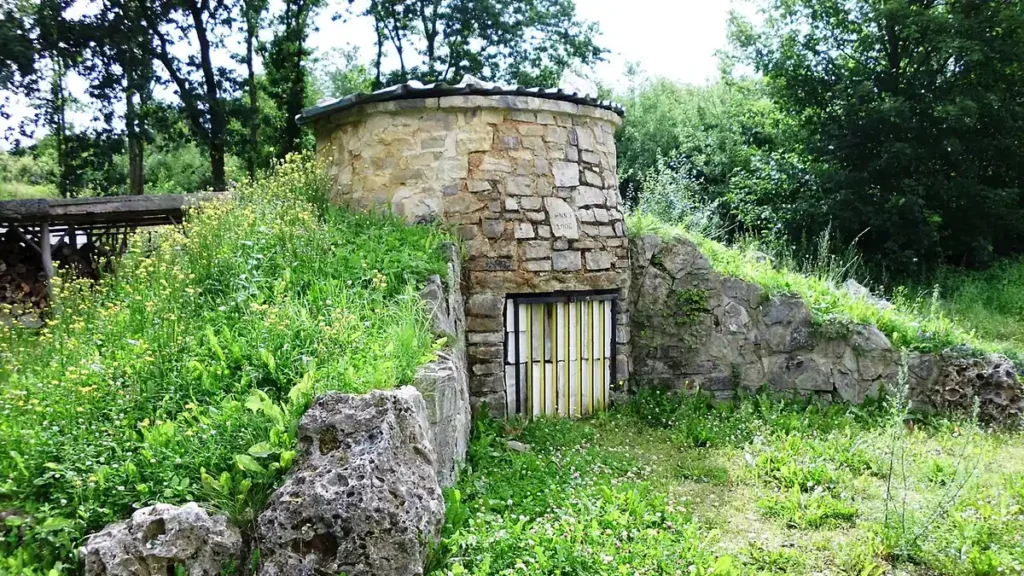
A gypsum kiln does one job, and it does it at a modest heat: it drives water out of gypsum rock so the rock becomes plaster. A startup that installs these kilns is not selling a furnace, a dryer, or a generic piece of hot plant. It is selling a controlled calcining line — rock in at one end, graded feed, a steady temperature curve, and bagged plaster powder out at the other — and every part of that line has to be sized, costed, and proven before the first customer signs.
That narrow job is what makes the trade interesting for a new installer. Gypsum calcines at roughly 150 to 180 degrees Celsius, far below the burning zone of a cement rotary kiln, and the product is judged on setting time, fineness, and strength rather than on tonnes per hour alone. A small, well-run installation can serve plasterboard plants, plaster merchants, and heritage plasterers, but only if the kiln holds its curve, the feed is graded honestly, and the plaster that comes out sets the way the buyer expects it to set.
The nine tools below cover that whole line. They grade the rock before it is bought, plan the calcining schedule hour by hour, hold the heat steady, test the plaster that comes out, keep the dust under control, and price and document the installation so the startup gets paid and gets recommended. Each one earns its place by solving a gypsum problem, not a generic kiln problem.
Key takeaways
- A gypsum kiln calcines gypsum rock into plaster at about 150–180°C — it is a plaster-making kiln, not a cement, lime, or ceramic kiln.
- Feed grading decides plaster quality before the kiln is even lit, so the first tool a startup buys should judge the rock.
- Calcining schedules, heat control, and plaster testing are three separate jobs — do not let one tool pretend to do all three.
- Dust control and powder handling are safety and quality issues on a plaster line, not afterthoughts.
- Price the installation from a plaster mill and site survey, not from a guess, and keep quoting, invoicing, and handover in one ledger.
How a gypsum kiln turns rock into plaster
Raw gypsum is calcium sulphate with two molecules of water locked into every crystal. Heat it gently and it gives up three quarters of that water, becoming calcium sulphate hemihydrate — the plaster of Paris that sets hard when water is added again. Heat it too far and it becomes anhydrite, which sets slowly or not at all; heat it unevenly and one batch sets in minutes while the next stays soft for hours. The whole trade is therefore a temperature discipline, and the kiln is judged on how evenly it holds a low, steady heat rather than on how hot it can get.
That is the line that separates this trade from its nearest neighbours. A lime kiln installation, which calcines limestone into quicklime, works at far higher temperatures and produces a caustic material that must be slaked before use, while a gypsum kiln works cooler and produces a powder that is mixed with water and used directly. The two kilns share the word calcining, but they calcine different rocks, at different temperatures, into different products, and the schedules, feed grading, and safety routines do not transfer from one to the other.
The feed matters as much as the fire. Gypsum rock arrives with varying purity, moisture, and lump size, and each of those changes the calcining time. Rock that is wet on the outside and dry inside calcines unevenly; oversized lumps come out under-burnt in the middle; fine dust overheats and dead-burns. A startup that grades, crushes, and stores its feed properly spends less fuel, throws away less plaster, and can promise a customer a setting time it can actually hit. That is why the first tools in this guide look at the rock, not at the burner.
Plaster output is the other half of the proof. Buyers test setting time with a needle, fineness with a sieve, and strength with a small cast block, and a startup that cannot show those numbers is asking to be paid on trust. The tools below therefore include plaster testing alongside heat control, because a kiln that runs beautifully and makes plaster nobody will buy is a failed installation. Everything a gypsum kiln startup installs — the feed store, the crusher, the kiln, the mill, the bagging line, and the dust extraction — exists to protect those three numbers.
Tools that grade the feed and plan the burn
The burn is decided before it starts. Rock grading, the calcining curve, and heat control are three linked decisions, and getting any one of them wrong shows up in the plaster. These three tools keep them honest.
1. GypsumRock Scout AI: best for grading gypsum rock feed before it is bought
GypsumRock Scout AI reads a photo or a short sample log of incoming gypsum rock and grades it for purity, visible impurities, lump size, and surface moisture. It flags rock that carries too much clay or anhydrite, lumps that will calcine unevenly, and loads that are wet enough to need drying time before they go anywhere near the kiln. For a startup, that matters because feed is bought by the tonne and paid for before its quality is proven, and one bad load can spoil a week of plaster.
The tool also keeps a simple feed record for every delivery — quarry, date, grade, and the plaster results that load produced — so the startup learns which suppliers deliver rock that calcines cleanly and which ones do not. Over a season that record is worth more than any single test, because it turns haggling over price into a conversation about proven quality. It does not design the kiln and it does not set the burner; it answers one question, whether this rock is worth calcining, and answers it before money changes hands.
Use it at the weighbridge and in the feed store, not in the office. A photo taken at the delivery, a moisture reading, and a grade logged in under a minute gives the kiln operator a starting point for the day’s schedule, and it gives the startup a paper trail if a customer ever questions a batch. For a new business with no reputation to fall back on, that trail is part of the product.
2. HemihydrateCurve AI: best for calcining schedules and hemihydrate targets
HemihydrateCurve AI plans the calcining schedule for a gypsum kiln: the ramp up, the hold at calcining temperature, and the cool-down, hour by hour, for the feed grade and lump size the startup actually has. It aims the whole curve at hemihydrate — hot enough to drive off the right amount of water, cool enough to avoid dead-burning into anhydrite — and it adjusts the hold time when the feed is wetter, coarser, or less pure than the last load. That adjustment is the heart of the tool, because no two loads of gypsum rock behave exactly alike.
The schedule it produces is written for the operator, not for a laboratory: target temperatures at each hour, when to check the feed, and what a drift of five degrees at the hold means for setting time. If the kiln runs hot, it shortens the hold and warns that the plaster may set too fast; if it runs cool, it extends the hold and warns of under-burnt cores. The startup can show a customer that schedule and explain, in plain terms, why this batch will set in the time the bag promises.
Keep it separate from the burner controls. HemihydrateCurve AI plans the curve; the heat tool below holds it. A startup that confuses planning with control ends up chasing its own schedule, so treat the curve as the target and the burner as the servant, and log every deviation against the plaster test that followed. Within a few months that log becomes the startup’s own calcining handbook, tuned to its kiln and its rock.
3. GypsumHeat AI: best for heat control, burner settings, and fuel use
GypsumHeat AI holds the kiln at the temperature the schedule asks for. It reads thermocouples through the calcining zone, watches fuel use against feed rate, and trims the burner so the temperature stays inside a narrow band instead of swinging with every draught or feed change. On a gypsum kiln that steadiness is everything, because a swing of twenty degrees at the hold is the difference between plaster that sets properly and plaster that is half dead-burnt.
The tool also tracks fuel per tonne of plaster, so the startup can see whether a cheaper fuel is actually cheaper once the extra heat losses are counted, and whether a slower feed rate saves more in fuel than it costs in output. It flags hot spots that suggest a blocked flue or a failing thermocouple, and it keeps a heat log that sits next to the calcining schedule, so any bad batch can be traced to a temperature event rather than blamed on the rock. That traceability is what turns a one-off fault into a fixable problem.
Do not expect it to grade feed or test plaster — it watches heat, and it watches it well. Pair it with HemihydrateCurve AI so the plan and the control stay in step, and review the heat log at the end of every week. A startup that can show a buyer a flat temperature trace and a matching plaster test is a startup that gets repeat orders, because plaster buyers remember the supplier whose bags behaved the same way every time.
Tools that prove the plaster and handle the powder
Plaster is a powder that has to behave. Setting time, fineness, and strength are tested, not assumed, and the powder itself has to be moved, milled, and bagged without choking the crew or the site. These three tools cover the output side of the line.
4. PlasterSet Sense: best for testing setting time, fineness, and plaster strength
PlasterSet Sense turns plaster testing into a routine a small startup can actually keep up. It records setting-time needle tests, sieve fineness, and small cast-block strength results for every batch, plots them against the calcining schedule that produced them, and flags any batch that drifts outside the range the customer was promised. A batch that sets in eight minutes when the bag says fifteen is not a minor variation; it is a plasterer arriving on site with a mix that goes off in the bucket, and this tool catches it before the bags leave the yard.
The value is in the pairing of test and schedule. When a batch tests slow, the tool points at the hold temperature and feed grade behind it, so the operator knows whether to adjust the curve or reject the rock, instead of guessing. Over time the record shows which feed grades give the most consistent set, which is information the startup can use when it negotiates its next rock contract. It also gives the startup something concrete to hand a buyer: a test sheet for the batch in the bags, not a general promise about quality.
Run the tests on every batch, not just the first of the day. Plaster buyers test what they receive, and a startup that tests less often than its customers is waiting to be caught out. Keep the kit simple — needle, sieve, moulds, and a notebook the tool can read — and let the tool do the plotting and the flagging. Consistency is the product here, and consistency is proven one test sheet at a time.
5. GypsumFeed Planner: best for feed crushing, storage, and conveying layout
GypsumFeed Planner lays out the feed side of the installation: where the rock is tipped, how it is crushed and screened to a size the kiln can calcine evenly, where it is stored dry, and how it is conveyed to the kiln without segregation or dust clouds. It sizes the crusher and the screen for the lump size the quarry actually delivers, and it checks that the store keeps wet rock away from dry rock, because mixed moisture is mixed calcining. For a startup, this is the unglamorous half of the job, and it is where most bad plaster starts.
The planner also works out the flow rates — tonnes per hour from store to kiln at the feed rate the schedule needs — so the conveyor and the kiln never starve each other. It flags layouts where the feed has to be double-handled, where the crusher sits too far from the store, or where a wet load has nowhere to dry before it is needed. Those are the details that decide whether a small crew can run the line without stopping, and whether the kiln spends its day calcining or waiting.
Use it before the concrete is poured, not after. Moving a feed store or a crusher once the slab is down costs more than the planner ever will, and a startup that gets the feed layout right on paper spends its first year running plaster instead of rebuilding its own yard. The tool does not grade the rock — that is GypsumRock Scout AI’s job — it makes sure graded rock reaches the kiln in the condition the schedule expects.
6. PlasterDust AI: best for gypsum dust control and powder handling
PlasterDust AI plans dust extraction and powder handling across the calcining line, from the crusher to the mill to the bagging station. Gypsum dust is not just a nuisance; it settles on everything, clogs filters, and turns a damp yard into a slippery plaster skin, and the fine powder that escapes at bagging is saleable plaster lost into the air. The tool sizes extraction at each dust point, checks airflows against the dust load, and schedules filter cleaning so the system keeps working instead of slowly choking.
It also watches the powder itself: how the milled plaster flows through hoppers, where it bridges and blocks, and how the bagging line can be kept running without spills. A hopper that bridges every hour costs more in lost time than a bigger hopper would have cost to install, and the tool flags those risks while the layout is still on paper. It keeps a simple dust log too, so the startup can show that extraction is maintained and that the site is kept clean — evidence that matters to neighbours, insurers, and the plaster buyers who visit the yard.
Do not treat dust control as a single fan and a hope. On a plaster line there are half a dozen dust points, and each needs its own extraction rate and its own maintenance rhythm. PlasterDust AI keeps them separate and keeps them honest, and it is the tool that makes the difference between a yard a customer is happy to visit and one they hurry through. Clean powder handling is also good business: plaster that stays in the bag is plaster that gets paid for.
Tools that price, survey, and run the business
A kiln that works is only half a startup. The installation has to be priced before it is built, surveyed while it is built, and invoiced and handed over when it is finished. These three tools run that side of the business.
7. PlasterMill Estimator: best for milling, bagging, and installation costing
PlasterMill Estimator prices the whole installation from the mill outwards: the mill and classifier that grind calcined gypsum to the fineness the buyer wants, the bagging line, the feed store, the kiln itself, and the dust extraction that ties them together. It takes off quantities from the layout — steel, refractory, motors, ducting — and prices them against supplier quotes, so the startup’s price to the customer is built from real numbers rather than from a round figure that later turns out to be short. For a new business, underpricing one installation can eat the profit of the next three, and this tool is the guard against that.
The estimator also separates the cost of the plaster-making line from the cost of the building around it, which matters when a customer already has a shed and only needs the line, or when the kiln is going into a greenfield site. It flags the items that usually get forgotten — spare grinding media, a second set of filter bags, the commissioning plaster that will be wasted while the kiln is tuned — and it keeps a version history, so a quote can be revisited and explained months later without anyone having to remember why a figure changed. Cement makers grind a small amount of gypsum with clinker to make cement powder, as our guide to cement kiln installation startups explains, but a gypsum kiln startup prices a plaster line, not a cement line, and the mill, the fineness, and the bagging are costed for plaster buyers.
Use it to produce the quote, then keep it open during the build. Every variation — a bigger mill, a longer conveyor, an extra dust point — goes through the estimator before it is agreed, so the startup always knows whether a change is absorbed or charged. A customer who sees a clear, itemised price trusts the installer, and a startup that knows its own costs can say no to work that would lose money.
8. PlasterWorks Survey AI: best for site survey and progress proof from photos
PlasterWorks Survey AI turns phone photos into a site record: it measures the yard and the shed from a photo survey, checks levels and access for delivery lorries, and then tracks the build week by week from dated progress photos. It flags when the kiln foundation is out of level, when the feed store footprint has drifted from the drawing, and when the ducting run no longer matches the plan, while there is still time to fix it cheaply. For a startup installing on a customer’s site, that record is also the proof that the work was done as quoted.
The tool keeps the survey, the photos, and the drawing in one place, so the kiln operator, the builder, and the customer are all looking at the same record instead of three different versions of it. It does not replace a measured survey for the final sign-off, but it catches the drift early, when a correction is a morning’s work rather than a rebuild. It also gives the startup a portfolio: dated photos of a finished plaster line, ready to show the next customer, without anyone having to go back to site with a camera.
Take the photos on the same walk every week, from the same points, and let the tool do the comparing. A startup that can show a customer the build progressing, week by week, in dated photos is a startup that gets paid on time, because progress that can be seen is progress that can be invoiced. Keep the survey honest — a photo that hides a problem only moves the problem to handover day.
9. GypsumLedger AI: best for quoting, invoicing, and plaster buyer payments
GypsumLedger AI runs the money side of the startup: quotes built from the estimator, invoices matched to plaster deliveries, and a buyer ledger that shows who owes what and who pays on time. It links each invoice to the batch test sheet behind it, so a buyer querying a delivery can be shown the setting-time result for the plaster in those bags, and it chases overdue accounts automatically instead of leaving the chasing to whoever has a spare hour. For a small startup, cash flow is survival, and this tool keeps it visible.
The ledger also tracks the two sides of the business separately — installation work, paid in stages against the survey record, and plaster sales, paid per tonne against test sheets — so the startup can see which side is carrying the other. It flags buyers whose orders are growing faster than their payments, and it keeps the handover documents — commissioning record, calcining schedule, heat log, and test sheets — attached to each installation, so nothing is lost when the kiln is handed over. That handover pack is what turns a one-off installation into a customer who comes back for the next kiln.
Keep the ledger as the single record of money in and money out. A startup that quotes in one place, invoices in another, and chases payment from memory will lose track of all three, and the first sign is usually a good customer who was never invoiced. GypsumLedger AI is not the most exciting tool in this guide, but it is the one that decides whether the other eight ever get paid for.
Gypsum kiln tools at a glance
Each tool answers one question. Use the table to pick the first three for a new startup, then add the rest as the order book grows.
| Tool | Best for | Buy it |
|---|---|---|
| GypsumRock Scout AI | Grading gypsum rock feed | First |
| HemihydrateCurve AI | Calcining schedules | First |
| GypsumHeat AI | Heat control and fuel use | First |
| PlasterSet Sense | Plaster setting time and strength | Early |
| GypsumFeed Planner | Feed crushing and storage layout | Early |
| PlasterDust AI | Dust control and powder handling | Early |
| PlasterMill Estimator | Milling, bagging, and costing | Before quoting |
| PlasterWorks Survey AI | Site survey and progress proof | Before building |
| GypsumLedger AI | Quoting, invoicing, and payments | From day one |
Your first-installation checklist
Work through these six steps in order before the kiln is lit for the first time.
- Grade the rock: photograph and log every delivery with GypsumRock Scout AI, and reject any load that fails on purity or lump size before it is tipped.
- Plan the curve: write the calcining schedule in HemihydrateCurve AI for the feed grade you actually have, and pin it where the operator can see it.
- Prove the heat: check every thermocouple against a known reading, set GypsumHeat AI to hold the schedule, and log the first full burn hour by hour.
- Test the first plaster: run setting-time, fineness, and strength tests on the first three batches with PlasterSet Sense, and do not bag plaster that fails.
- Clear the dust: run every extraction point, check the filters, and walk the bagging line with PlasterDust AI before the crew starts a full shift.
- Price and paper it: cost the job in PlasterMill Estimator, survey the site with PlasterWorks Survey AI, and open the job in GypsumLedger AI so the quote, the photos, and the invoices stay together.
Frequently asked questions
What does a gypsum kiln installation startup actually install?
It installs a calcining line: a feed store and crusher, a kiln that heats gypsum rock to about 150–180°C, a mill that grinds the calcined rock to plaster fineness, a bagging line, and dust extraction. The product is bagged plaster powder that sets when mixed with water, and the startup proves it with setting-time and strength tests on every batch.
Is a gypsum kiln the same as a lime kiln?
No. Both calcine rock, but a lime kiln calcines limestone into quicklime at far higher temperatures, while a gypsum kiln calcines gypsum rock into hemihydrate plaster at a much lower heat. The feed, the schedules, the safety routines, and the product are all different, and the tools in this guide are built for gypsum, not for limestone.
How is a gypsum kiln different from a timber kiln?
A timber kiln dries boards by removing moisture from wood, while a gypsum kiln drives chemically bound water out of rock to change it into plaster. Drying boards and calcining rock need different temperatures, different schedules, and different tests, so the two trades share the word kiln and little else. A timber kiln installation startup works with moisture meters and drying schedules for wood, not with calcining curves and plaster setting times.
Which tool should a gypsum kiln startup buy first?
Buy GypsumRock Scout AI, HemihydrateCurve AI, and GypsumHeat AI first. Feed grading, the calcining schedule, and heat control decide whether the plaster is any good, and no amount of good quoting or surveying can rescue plaster that was calcined badly. Add PlasterSet Sense as soon as the first batches are made, so every claim about quality has a test sheet behind it.
How much should a gypsum kiln installation startup spend on AI tools each month?
Most small startups in this guide spend the price of a few bags of plaster a month on the core three tools, and add the rest as the order book grows. The expensive mistake is not the subscription; it is an installation priced from a guess, a kiln run without a schedule, or a batch of plaster that has to be thrown away. Price the tools against one avoided bad batch and they usually pay for themselves.
Can AI tools really plan a gypsum kiln without a site visit?
They can plan the schedule, the feed layout, and the price from photos, sample logs, and a measured survey, but they cannot replace standing in the yard. Access for lorries, the slope of the ground, the state of the power supply, and the neighbours all need eyes on site, which is why PlasterWorks Survey AI is a record of a visit, not a replacement for one. Use the tools to make the visit count, not to skip it.
The bottom line
A gypsum kiln startup lives or dies on three things: rock graded honestly, a calcining curve held steady, and plaster that sets the way the bag promises. The nine tools in this guide cover those three things and the business around them — feed, fire, testing, dust, milling, survey, and money — and none of them asks the startup to pretend to be a cement works, a lime burner, or a timber dryer. Start with the rock, the curve, and the heat, test every batch, and let the ledger prove the rest.

Keep what speaks to you.
Leave room for your own perspective.